+86 157 3199 9797

+86 157 3199 9797
Oct. 08, 2026
Diesel fuel contains paraffin wax. When temperatures fall, that wax begins to crystallize, and the crystals are carried toward the fuel filter, where they accumulate on the filter media. In cold-climate operations such as northern Europe, Russia, Canada, and high-altitude regions, a fuel filter can plug with wax and ice well before the fuel in the tank stops flowing. The result is a truck that cranks but will not start, or one that loses power on a cold highway climb.
Understanding the cold-flow properties of diesel, and how the fuel filter fits into the picture, is the foundation of reliable winter operation.
|
Term |
What It Means |
Why It Matters |
|
Cloud Point |
Temperature at which wax crystals first become visible and the fuel turns cloudy |
Filter plugging can begin near or shortly below this temperature |
|
CFPP (Cold Filter Plugging Point) |
Lowest temperature at which fuel still passes through a standard test filter in a set time |
The most practical indicator of real-world filter plugging risk |
|
Pour Point |
Lowest temperature at which the fuel will still flow under gravity |
Usually well below the temperature where filters plug, so it is a poor guide for operability |
In practice, CFPP is the number that matters most for filter performance. Fuel suppliers in cold regions typically blend winter-grade or arctic-grade diesel with a lower CFPP, but blends vary by supplier and season, so fleets crossing regions should not assume the fuel in the tank matches the climate ahead.
Biodiesel blends deserve special attention, since higher biodiesel content generally raises the cloud point and can make cold-flow problems appear at warmer temperatures than with straight petroleum diesel.
1. Use the right fuel for the season. Fill with winter-grade or region-appropriate diesel and confirm its CFPP with the supplier, particularly before long trips into colder regions.
2. Treat fuel before it gels, not after. Cold-flow improver additives work by modifying how wax crystals form, so they must be added while the fuel is still warm enough to mix and before wax has formed. Follow the additive manufacturer's dosing instructions, because overdosing does not improve protection.
3. Use fuel and filter heating where needed. Many heavy-duty and off-road machines support in-line fuel heaters or heated filter heads. Where machines are exposed to prolonged sub-zero conditions, heating is the most reliable defense.
4. Control water. Drain the water separator at the intervals recommended by the equipment maker, more frequently in winter. Keeping the tank as full as practical at the end of each shift reduces condensation inside the tank.
5. Replace the filter before the cold season starts. A filter already loaded with particulates has less capacity left to absorb wax, so it will plug sooner. Installing a fresh fuel filter in autumn gives the system its full dirt-holding capacity going into winter.
6. Do not change the filter's micron rating to solve a cold-weather problem. Switching to a coarser filter may reduce plugging but passes more abrasive particles into high-pressure injection systems, which causes far more expensive damage. Fix the cold-flow cause instead.
Can I fix gelled fuel by adding anti-gel additive afterward? Usually not reliably. Most cold-flow additives are preventive and cannot fully dissolve wax that has already formed. The practical remedy is to warm the vehicle and fuel system, replace the clogged filter, and then treat the fuel.
Why does my truck start fine but lose power on a cold road? Under load the engine draws more fuel, so a partially wax-coated filter that supplies enough fuel at idle can become a bottleneck at higher flow. This is a classic early sign of cold-weather filter restriction.
How often should fuel filters be changed in cold climates? Follow the equipment manufacturer's interval as the maximum, and consider a pre-winter replacement plus a shorter interval if fuel quality is inconsistent or water contamination is common.
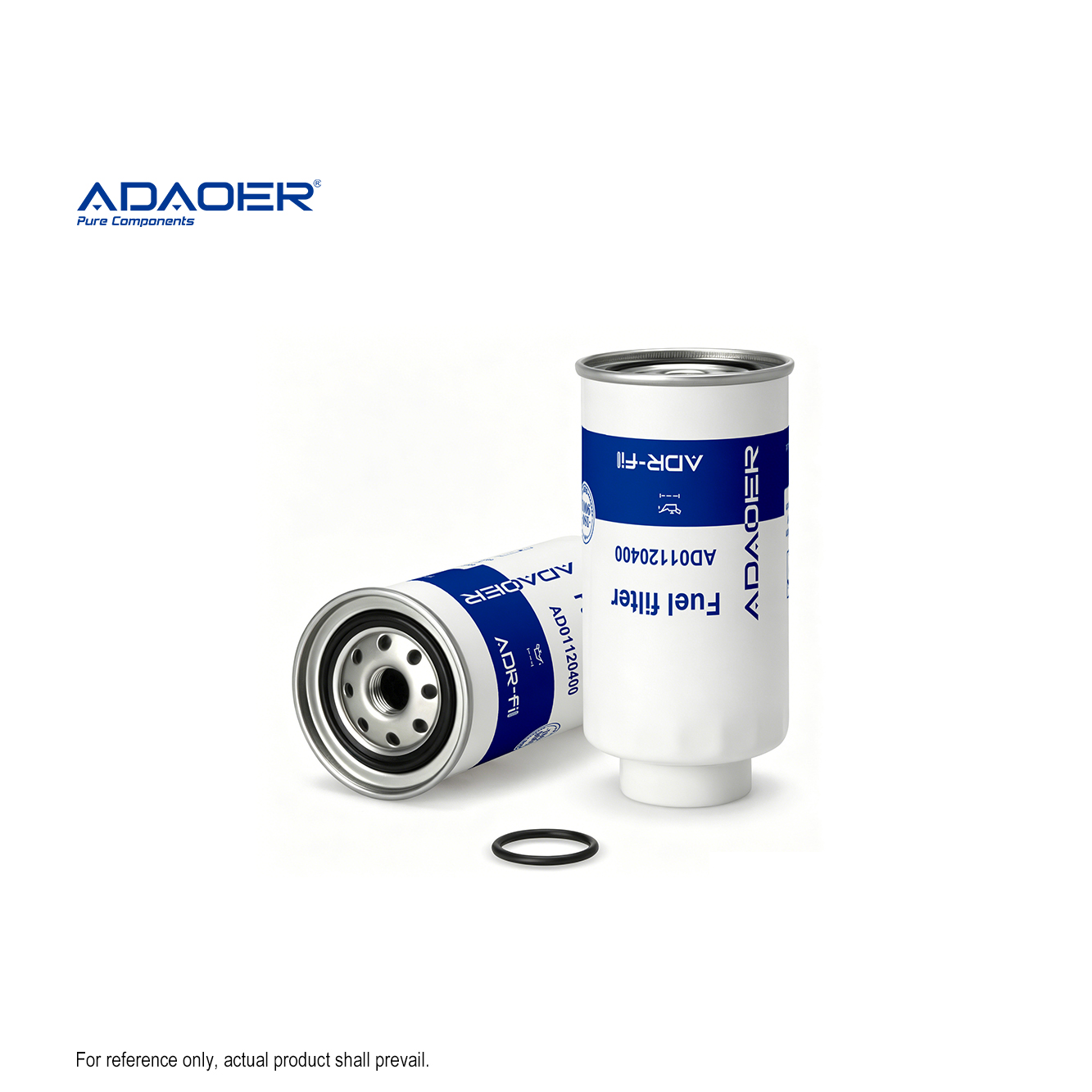
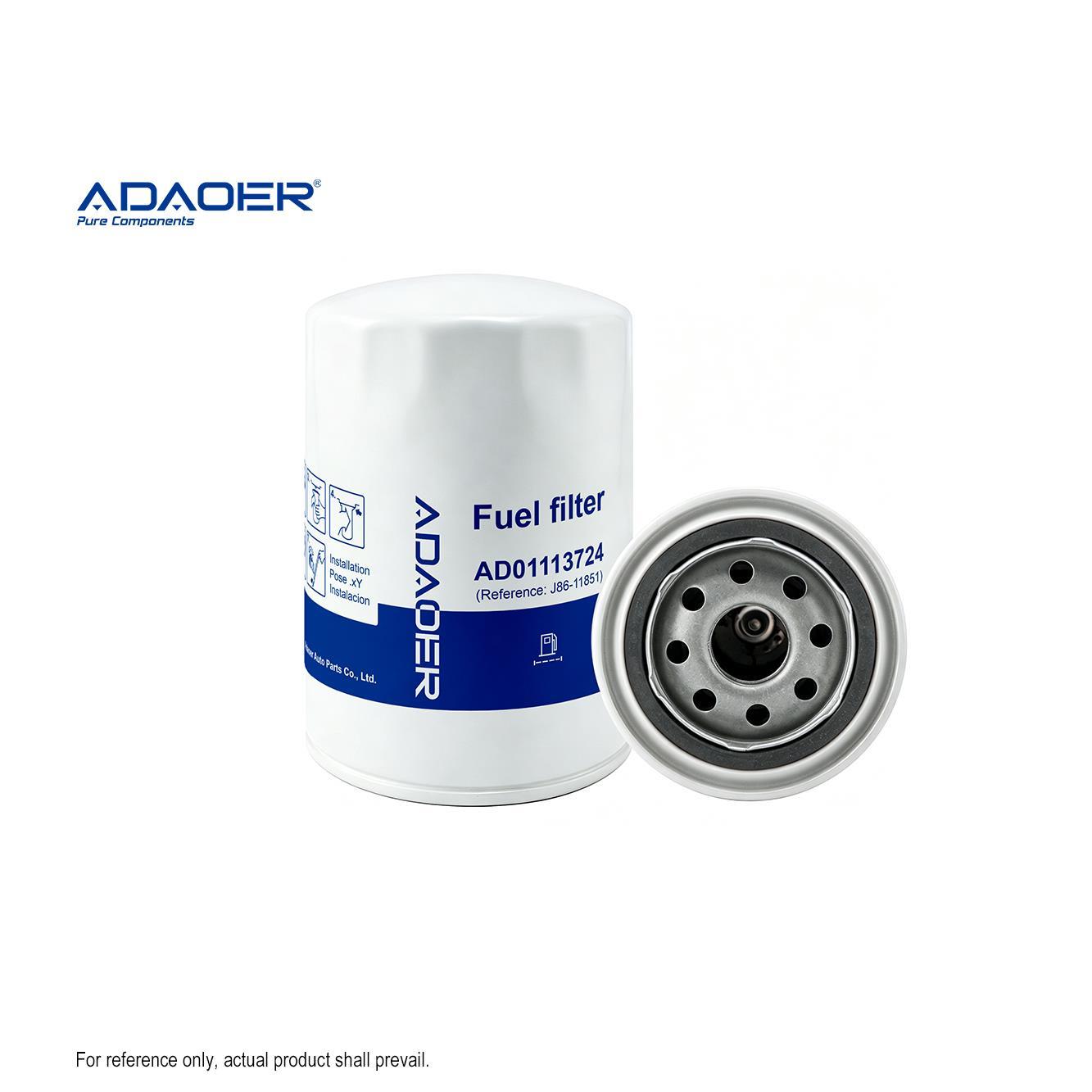
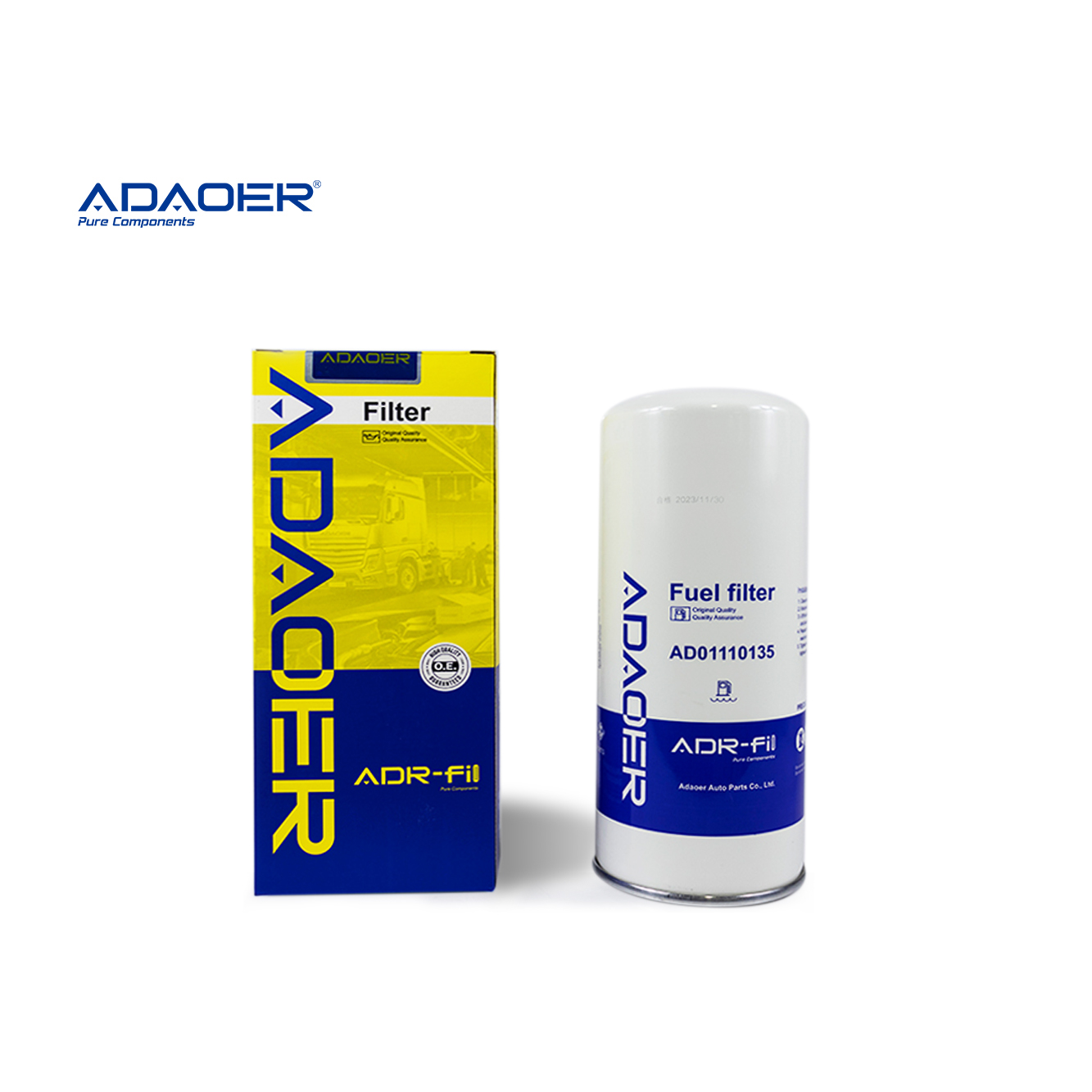
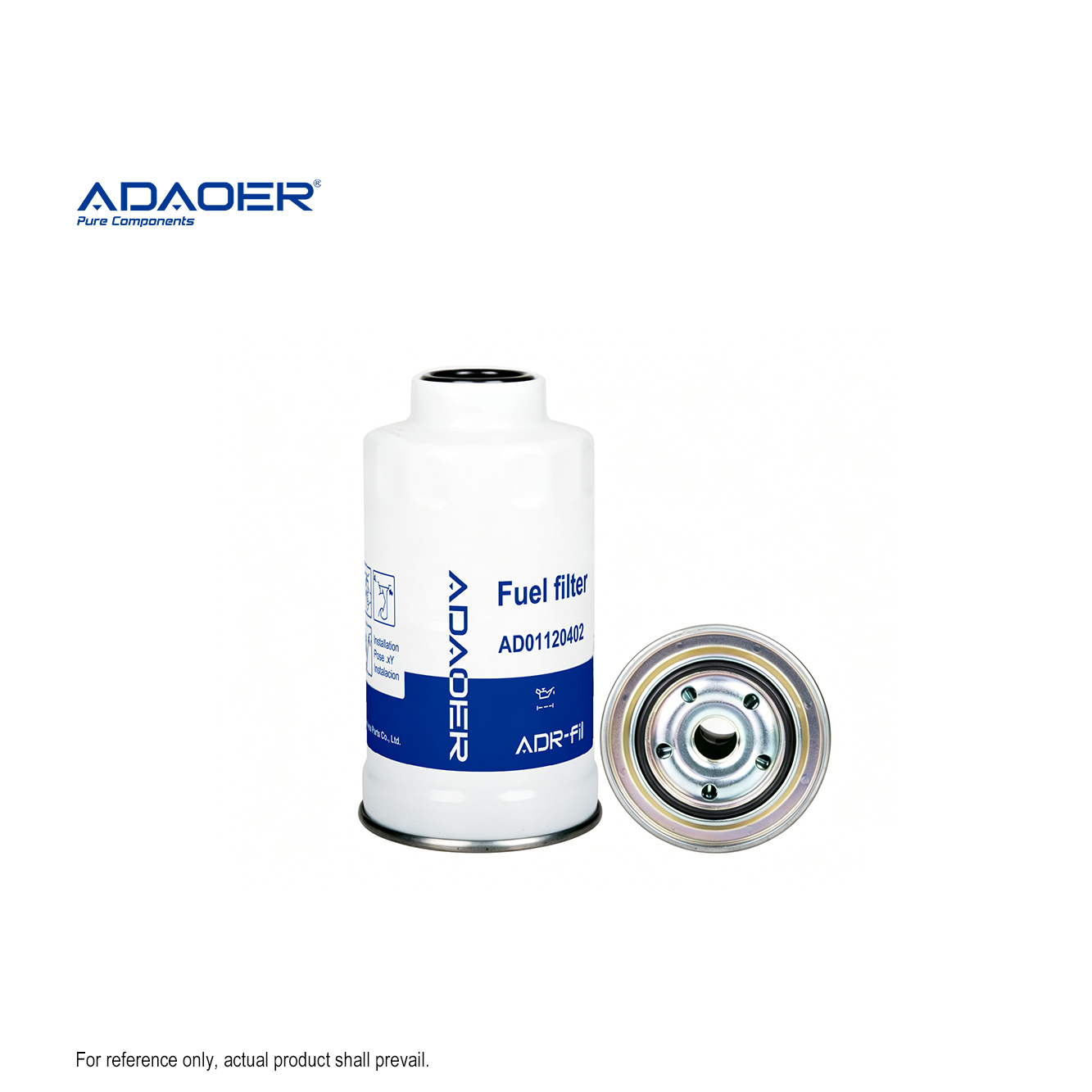
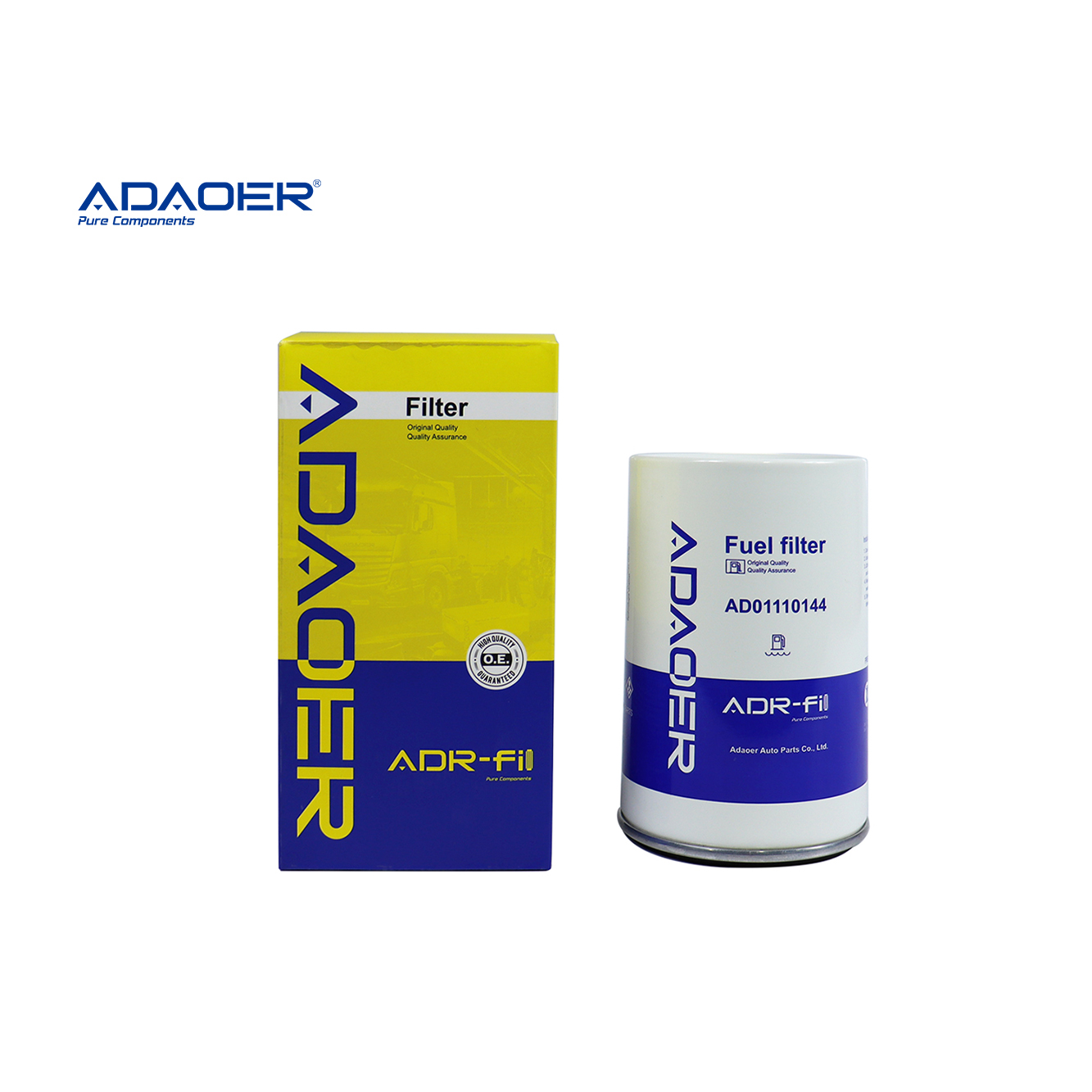
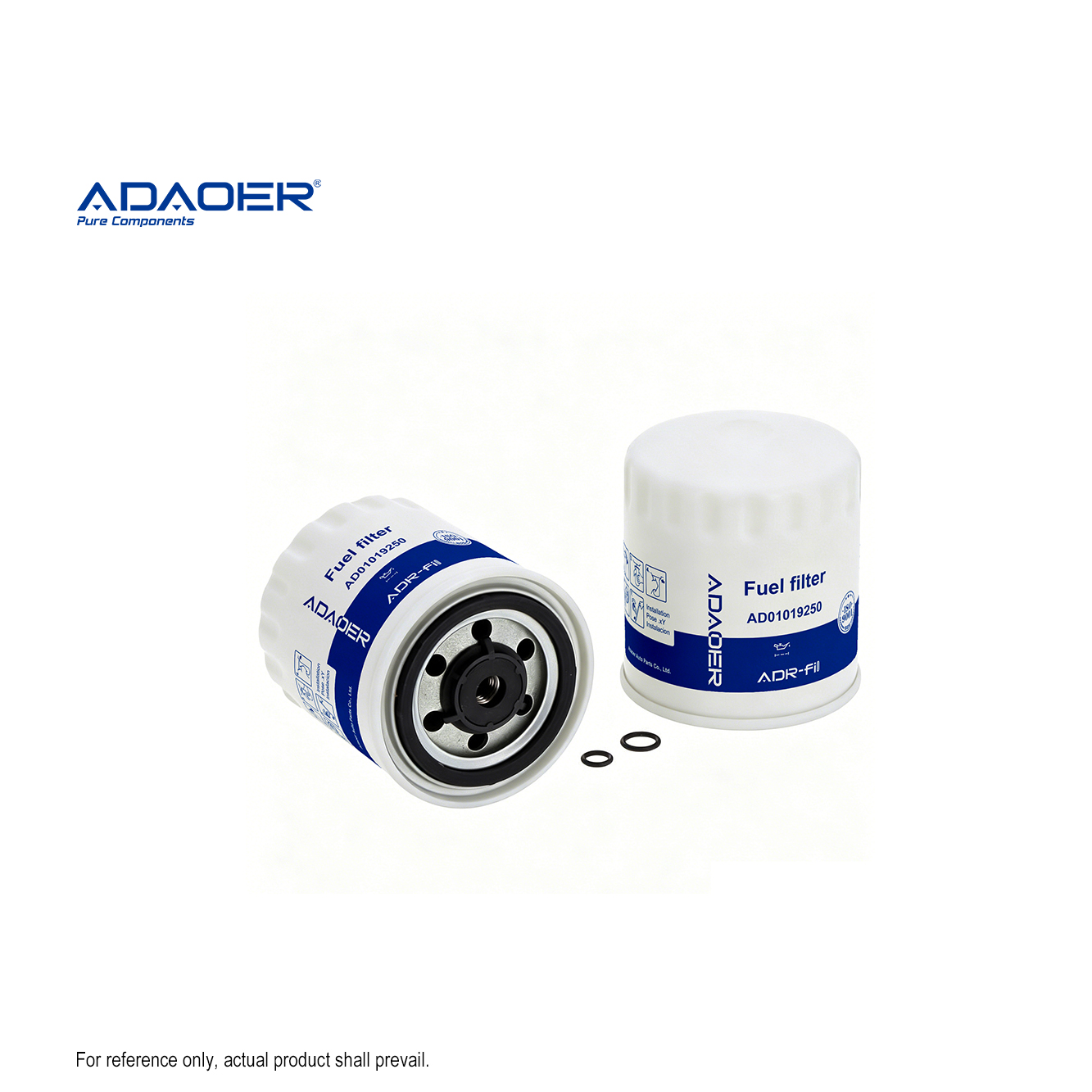
What should I look for when buying fuel filters for cold-climate fleets? Look for filters with integrated water separation, compatibility with heated filter heads where applicable, and verified media efficiency. Manufacturers such as ADAOER Filter supply fuel filter and water separator assemblies for trucks, buses, and construction machinery, and can support custom OEM/ODM specifications for equipment built for cold markets.
Cold-weather reliability is rarely lost to a single failure. It is usually the product of several small gaps: the wrong fuel grade, water left in the separator, an overdue filter. Closing those gaps before winter begins is far cheaper than a roadside breakdown at minus twenty.
How to Find the Right Truck Filter: Part Numbers, Cross-References, and Measurements
Oct. 30, 2026
European Emission Standards (Euro I to Euro VII) and What They Mean for Truck Filters
Oct. 30, 2026
Truck Air Brake System and Air Dryer: How They Work and How to Maintain Them
Oct. 30, 2026
Oct. 27, 2026
Related Products