+86 157 3199 9797

+86 157 3199 9797
Sep. 22, 2026
Every diesel engine — whether in a long-haul truck, a city bus, an excavator, a tractor, or a generator set — depends on four filtration systems working together: the fuel filter, oil filter, air filter, and (on hydraulic-driven equipment) the hydraulic filter. Fleet maintenance data consistently shows that premature engine failures trace back to contaminated fuel, degraded lubricant, dust ingestion, or compromised hydraulic fluid far more often than they trace back to the engine block itself. Understanding what each filter does, how it fails, and when to replace it is one of the highest-return maintenance decisions an owner or fleet manager can make.
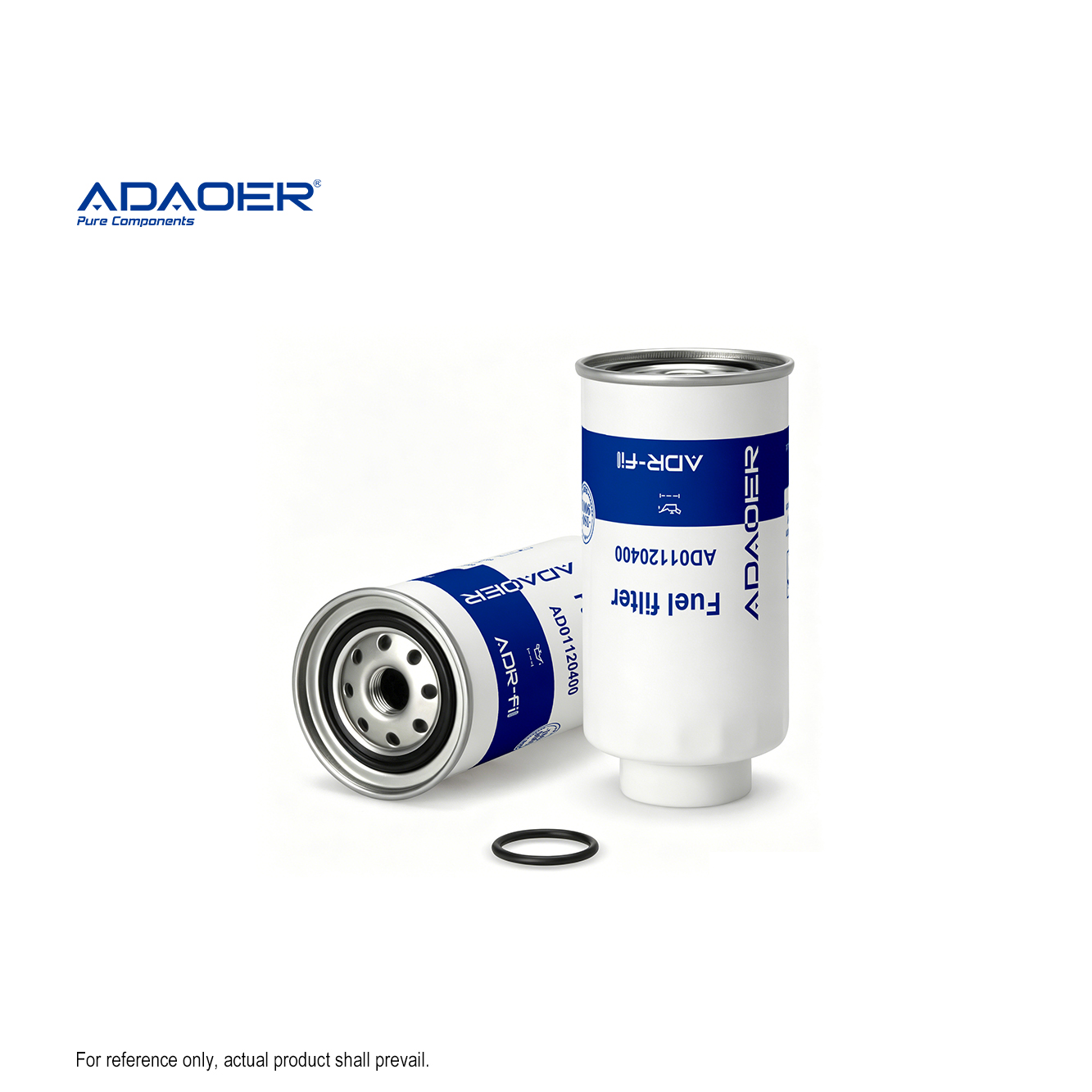
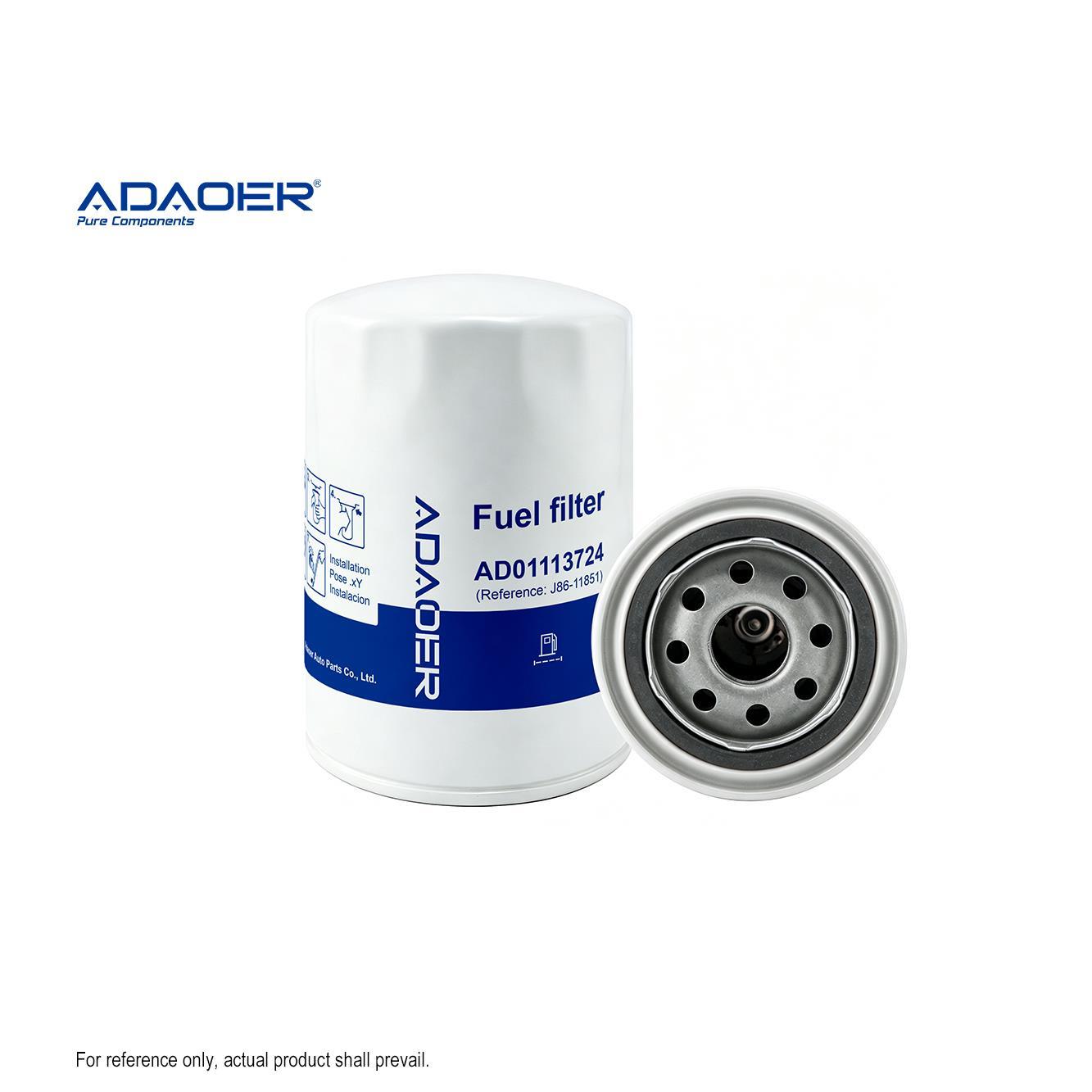
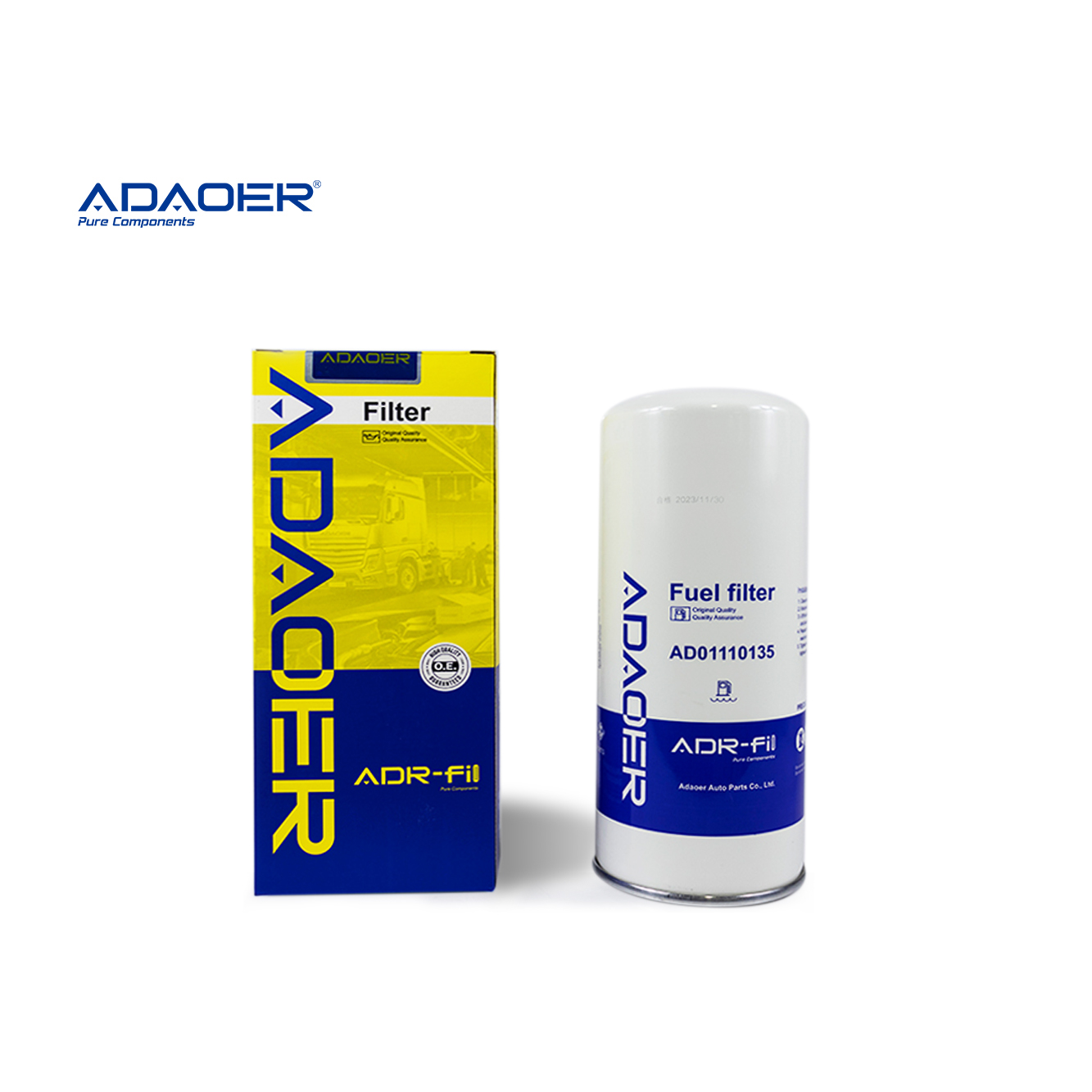
Modern diesel engines run high-pressure common-rail injection systems with tolerances measured in microns. A single particle of dirt or a trace of water in the fuel line can score an injector or cause pump failure that costs far more than the filter itself.
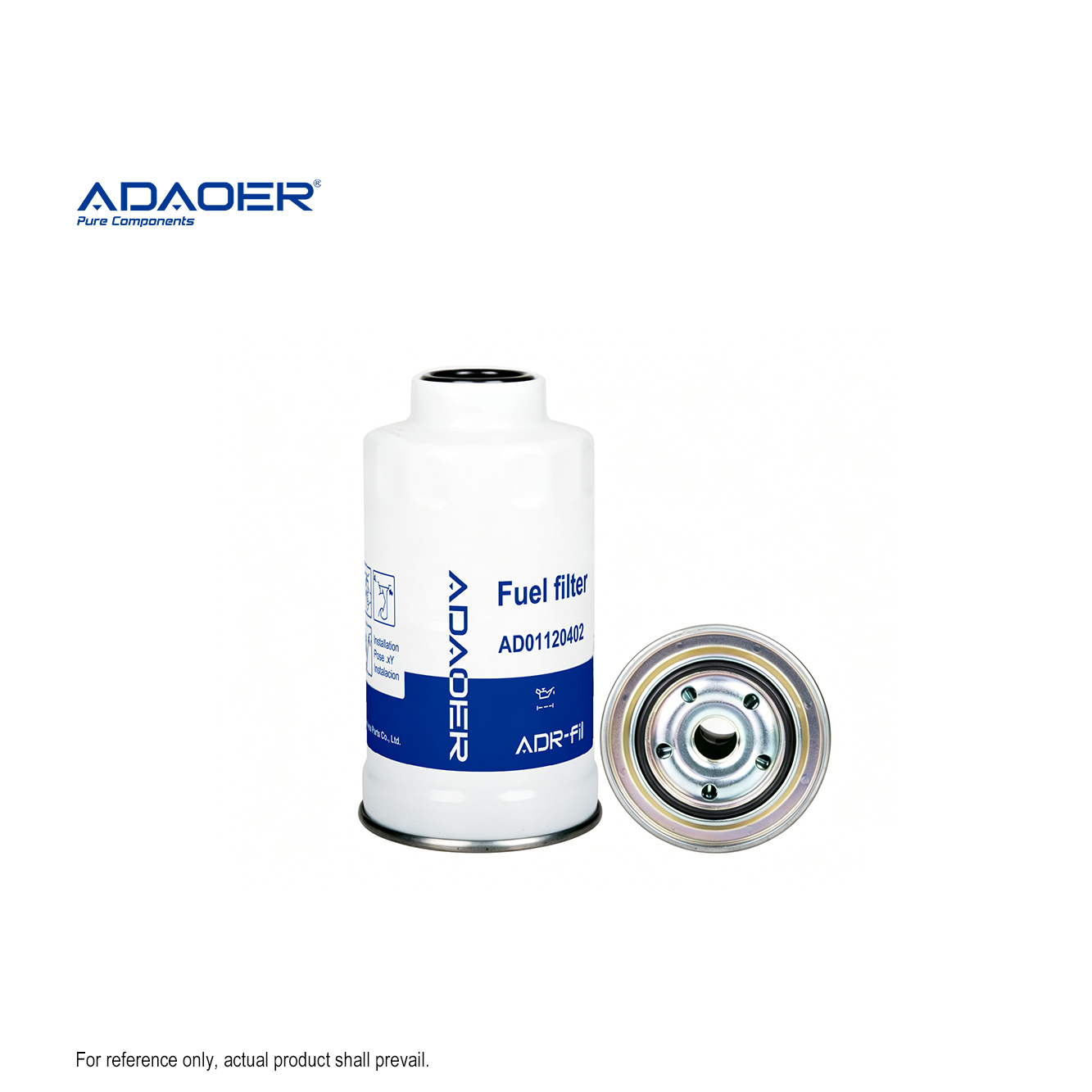
What fuel filters remove:
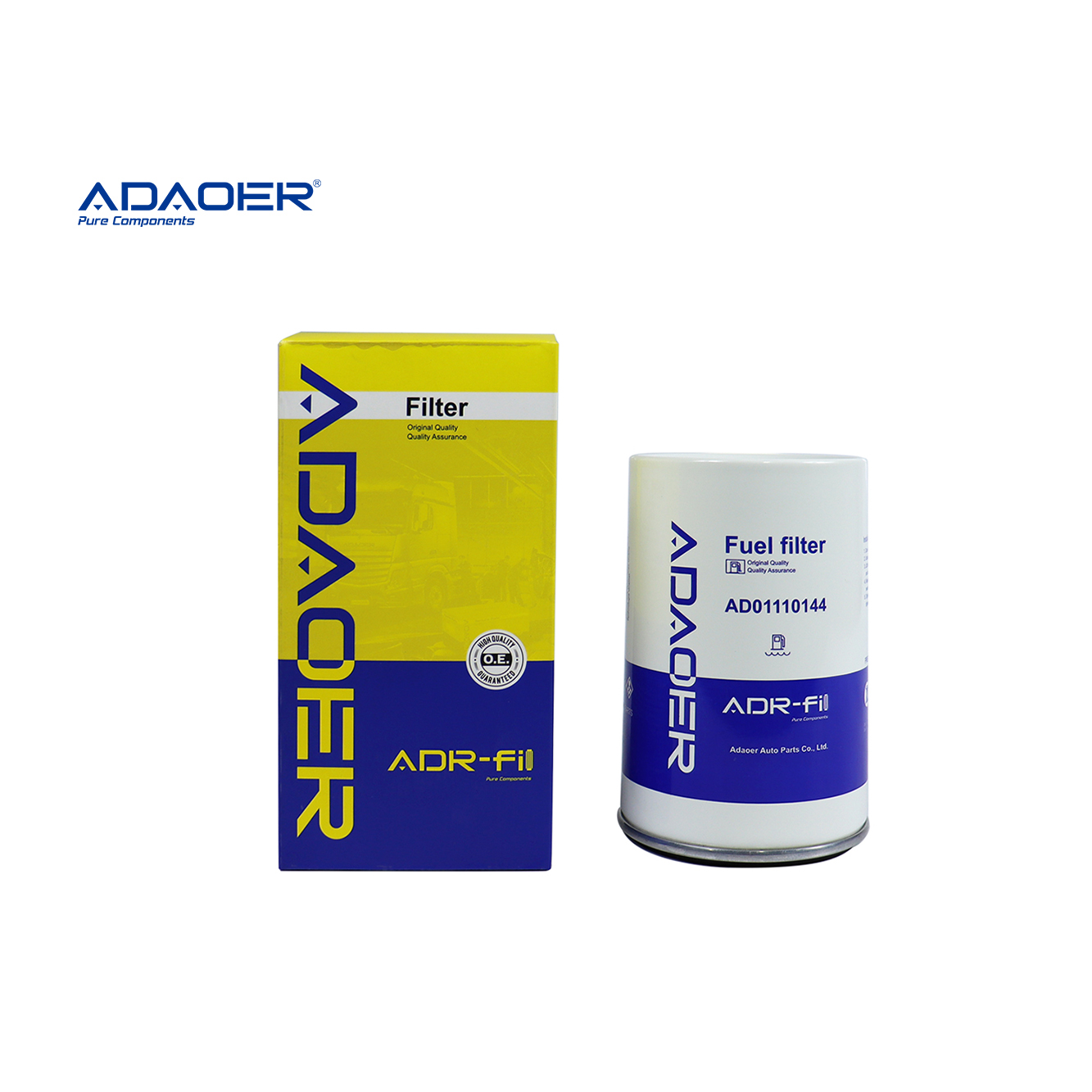
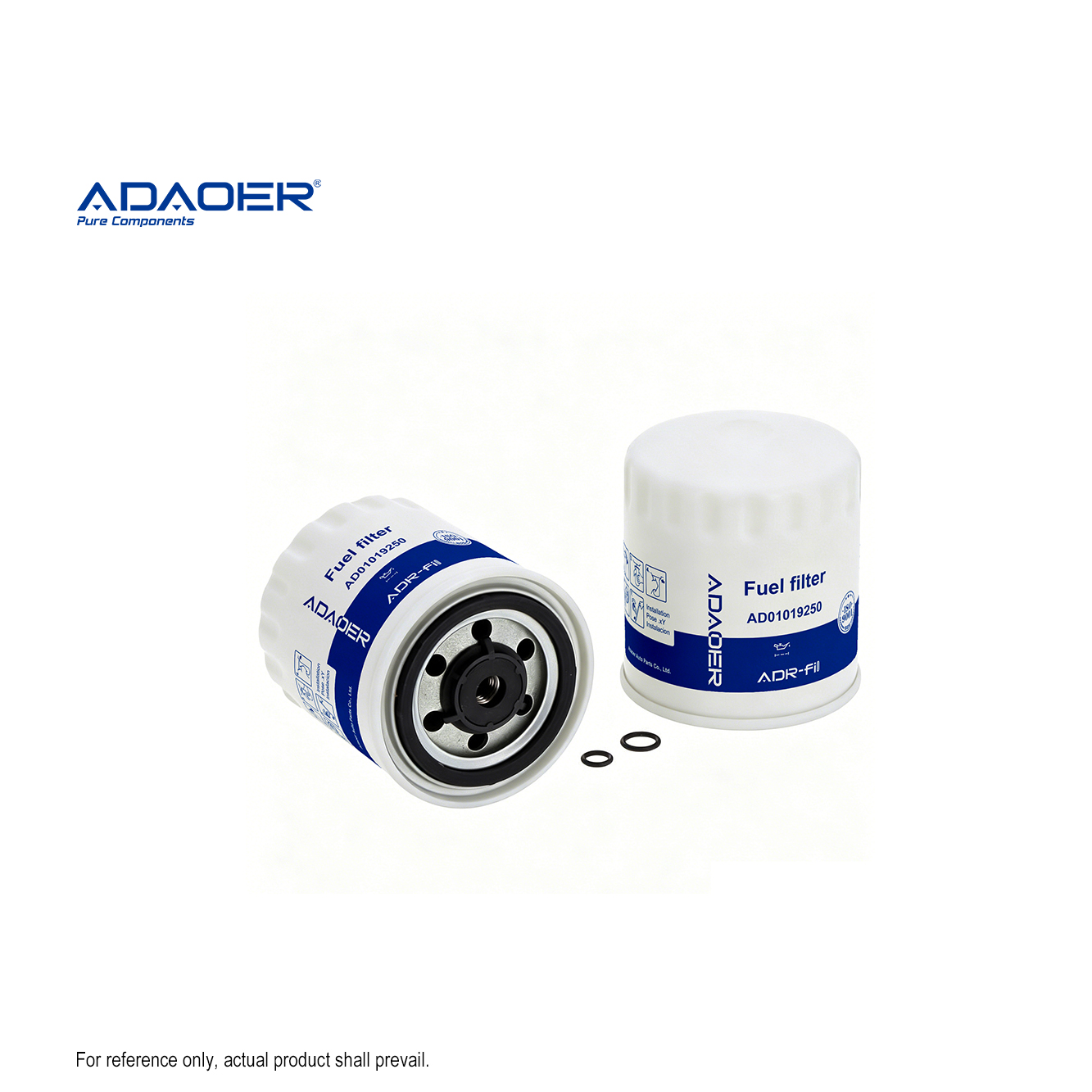
Replacement interval: Most manufacturers recommend replacement every 15,000–25,000 km (10,000–15,000 miles) for trucks, or every 250–500 operating hours for off-road and stationary equipment — but fuel quality in the operating region matters more than the mileage number. Fleets running in regions with inconsistent fuel quality should shorten the interval and inspect the water separator bowl weekly.
Warning signs of a failing fuel filter: loss of power under load, hard starting, engine stalling at idle, and a noticeable drop in fuel economy.
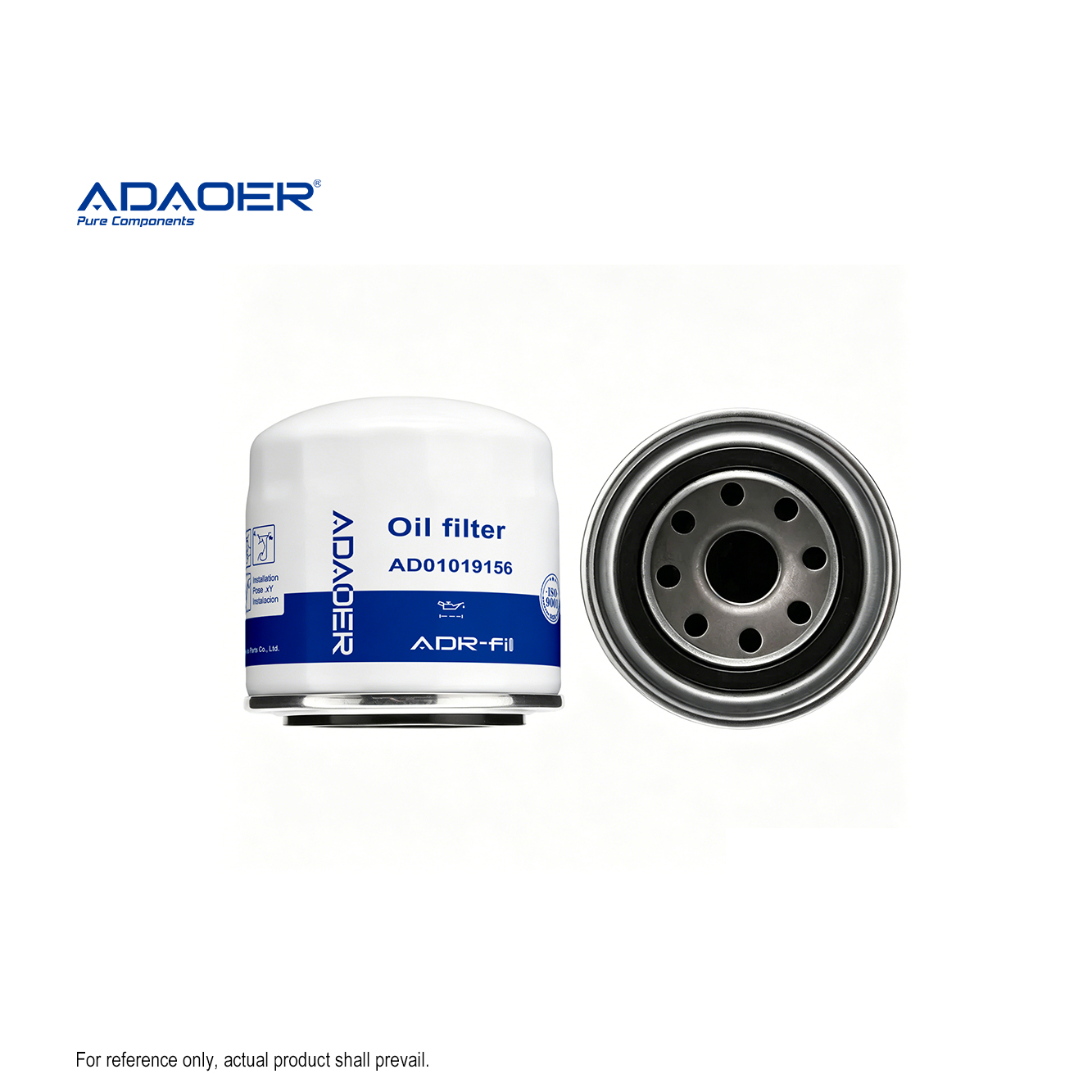
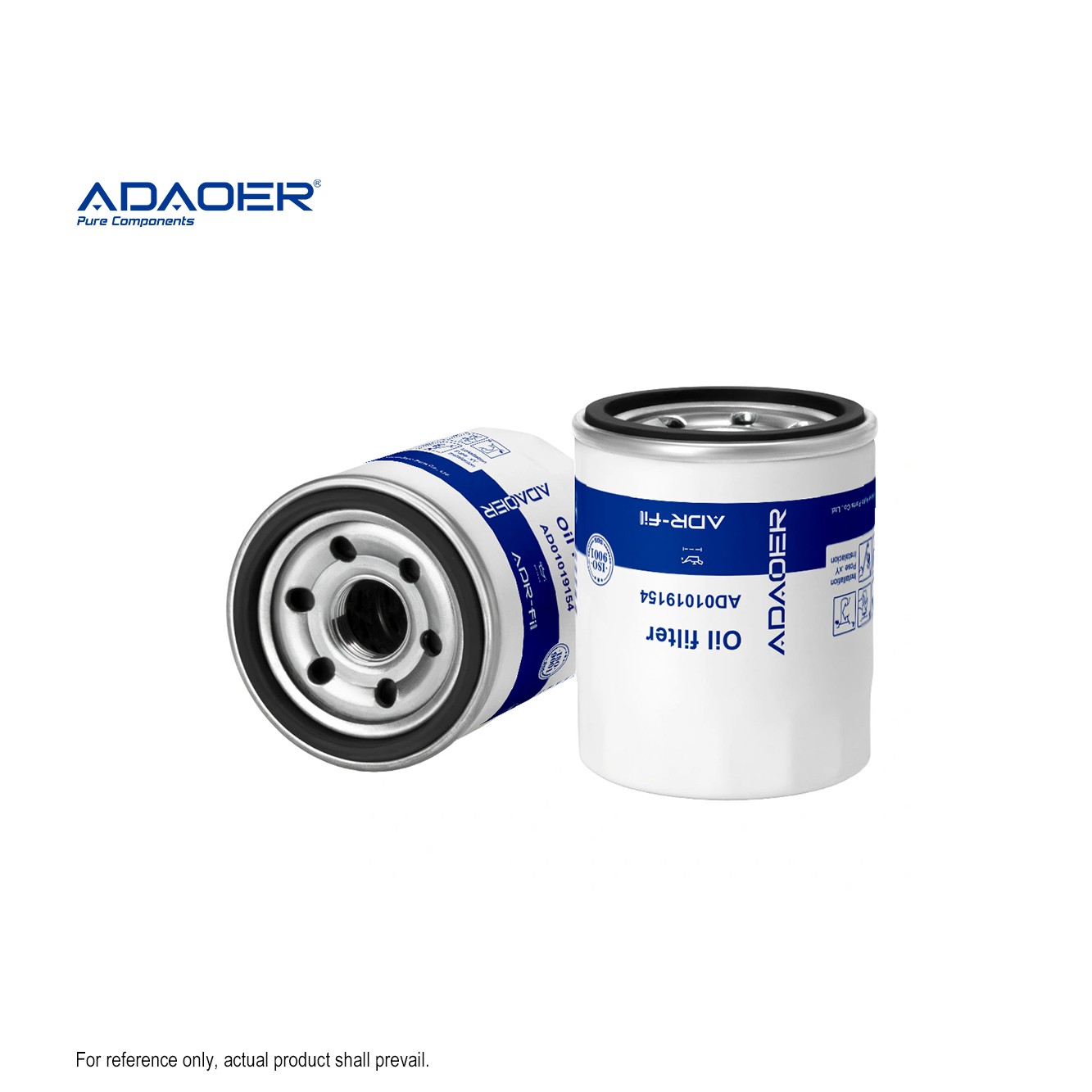
The oil filter removes metal shavings, carbon soot, and combustion byproducts from engine oil before they can abrade bearings, cylinder walls, and camshafts. A clogged oil filter forces oil through a bypass valve unfiltered — meaning the engine can still receive oil, but it's no longer clean, silently accelerating wear.
Replacement interval: Typically tied to the oil change interval — every 10,000–15,000 km for trucks and buses under normal duty, or every 250 hours for construction and agricultural machinery. Severe duty (dusty environments, frequent idling, heavy towing) shortens this significantly.
A practical rule: if the oil filter is being replaced less often than the engine manufacturer's spec sheet recommends, oil analysis (a low-cost lab test) is worth doing to check for excessive metal content before problems compound.
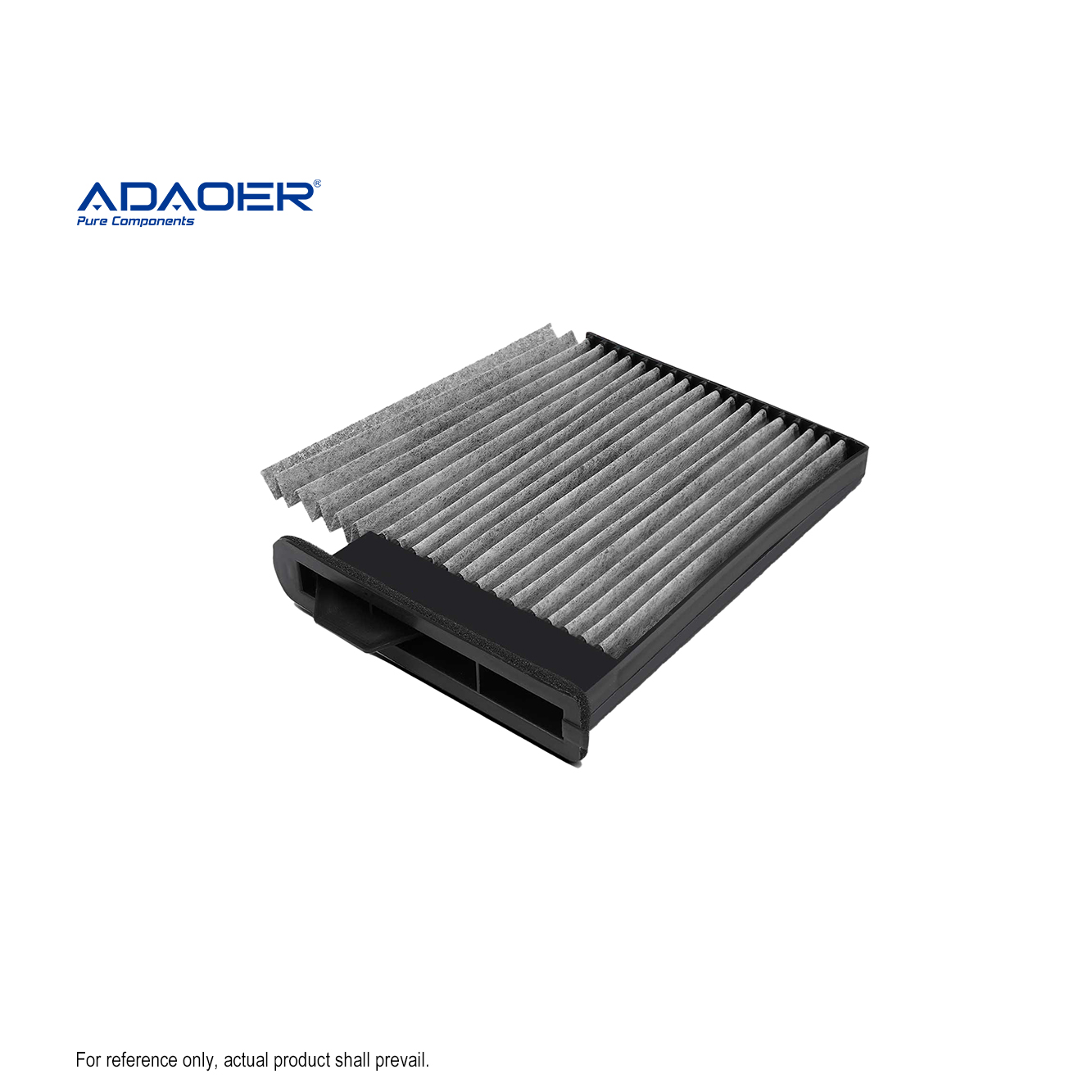
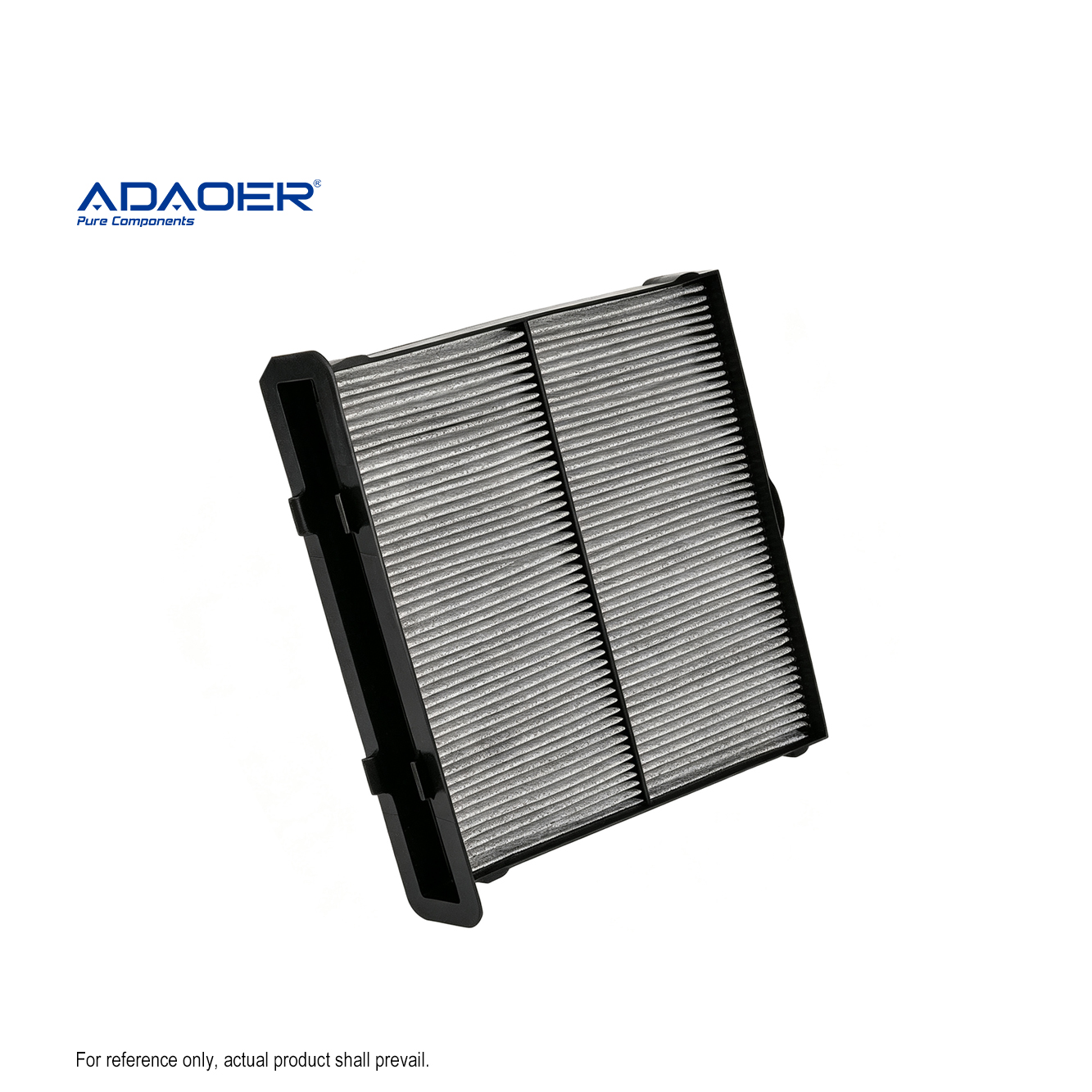
Airborne dust is abrasive at a microscopic level, and diesel engines move enormous volumes of air — a heavy-duty truck engine can draw in thousands of liters of air per minute at full load. Unfiltered or poorly filtered air introduces silica and grit that acts like sandpaper on cylinder walls and piston rings.
Two-stage vs. single-stage air filtration: Off-road equipment (excavators, tractors, engineering machinery) operating in high-dust environments benefits significantly from two-stage air filter systems with a primary filter and a safety filter, which extends service life and protects against a torn or improperly seated primary element.
Replacement interval: Highly environment-dependent — anywhere from 500 to 1,000 hours in clean conditions down to weekly inspection in extreme dust. Restriction gauges (if fitted) are more reliable than fixed mileage schedules for air filters.
On excavators, loaders, and other hydraulic-driven machinery, hydraulic filters protect pumps, valves, and cylinders from contamination that causes erratic operation and expensive component failure. Meanwhile, on trucks and buses with air brake systems, the air dryer cartridge removes moisture and oil from the compressed air supply — a failed cartridge leads to ice formation in brake lines in cold climates and corrosion throughout the air system.
Replacement interval: Hydraulic filters generally every 500–1,000 hours or per OEM spec; air dryer cartridges typically once or twice a year depending on compressor duty cycle and climate.
|
Filter Type |
Typical Interval |
Key Failure Risk if Neglected |
|
Fuel Filter |
15,000–25,000 km / 250–500 hrs |
Injector damage, pump failure |
|
Oil Filter |
10,000–15,000 km / 250 hrs |
Bearing and cylinder wear |
|
Air Filter |
500–1,000 hrs (environment-dependent) |
Piston ring and cylinder wear |
|
Hydraulic Filter |
500–1,000 hrs |
Pump and valve failure |
|
Air Dryer Cartridge |
6–12 months |
Brake line corrosion/freezing |
Can I extend filter life with premium filters? Higher-efficiency filter media with better dirt-holding capacity can extend service intervals somewhat, but manufacturers still specify a maximum interval based on filter media saturation, not just particle capture — always respect the upper limit even with premium filters.
Does OEM branding matter, or are aftermarket filters equivalent? What matters is whether the filter meets or exceeds OEM specifications for micron rating, flow rate, and burst pressure — not the brand name on the housing. Reputable aftermarket manufacturers with ISO/TS quality certifications and independent lab testing can match or exceed OEM performance at a lower cost, which is why aftermarket filtration is standard practice across global fleets.
What happens if a filter is left in place too long? Beyond the risk of unfiltered bypass (fuel and oil filters) or restricted airflow (air filters), an overdue filter increases backpressure and strain on the associated pump or compressor, which can shorten the life of components far more expensive than the filter.
How do I match a filter to my specific engine or machine model? Cross-reference the OEM part number or the equipment's engine model against a filter manufacturer's fitment catalog — most industrial filter suppliers, including ADAOER Filter, maintain searchable cross-reference databases covering major truck, bus, excavator, tractor, generator, and agricultural equipment brands.
Sound filtration practice is not a single decision but a recurring discipline — matching the right filter grade to the operating environment and holding to the interval, rather than the mileage number alone. For fleets and equipment owners sourcing replacement or OEM/ODM filtration components across fuel, oil, air, hydraulic, and air dryer categories, working with a manufacturer that offers both broad cross-reference coverage and engineering support for custom specifications simplifies sourcing considerably.
How to Find the Right Truck Filter: Part Numbers, Cross-References, and Measurements
Oct. 30, 2026
European Emission Standards (Euro I to Euro VII) and What They Mean for Truck Filters
Oct. 30, 2026
Truck Air Brake System and Air Dryer: How They Work and How to Maintain Them
Oct. 30, 2026
Oct. 27, 2026
Related Products