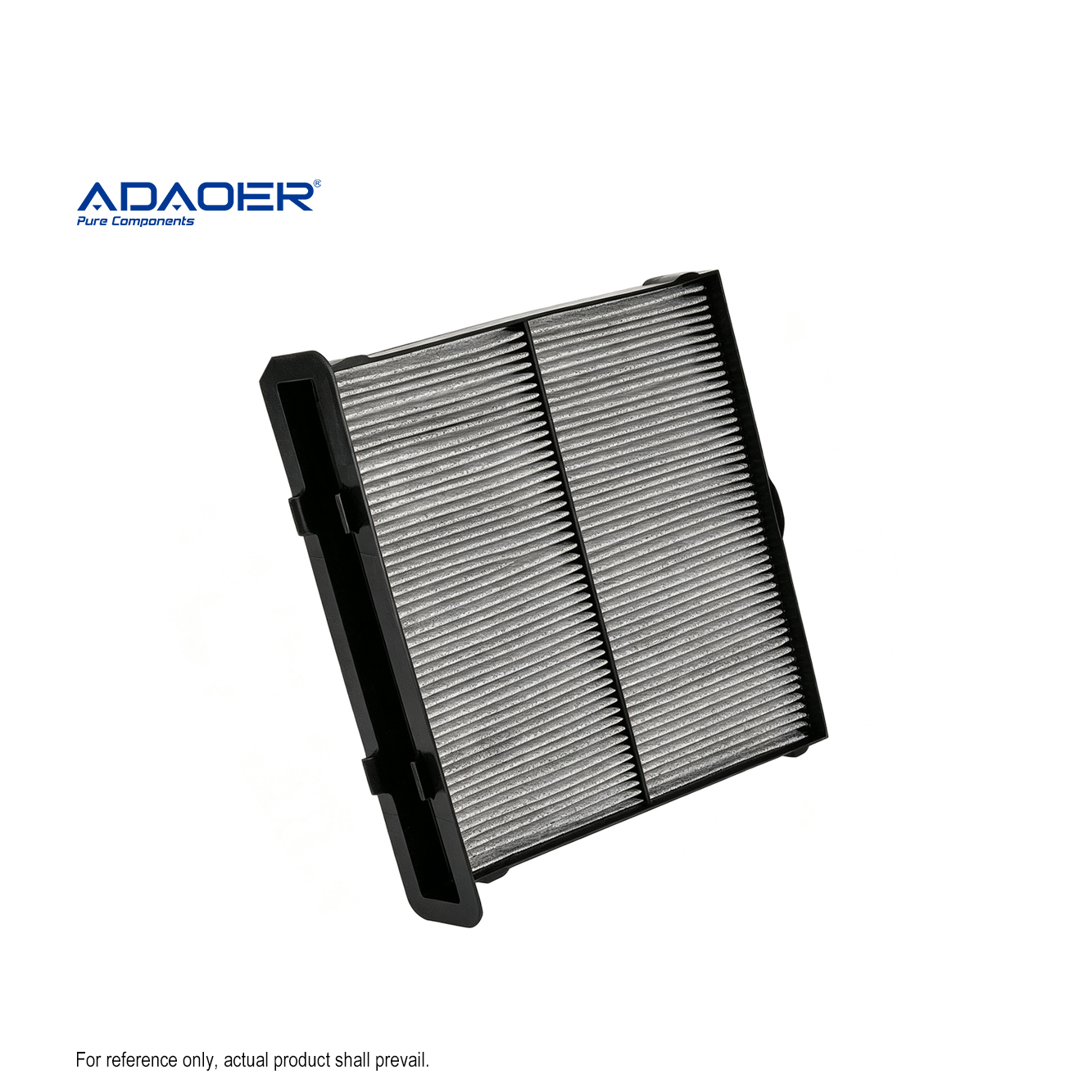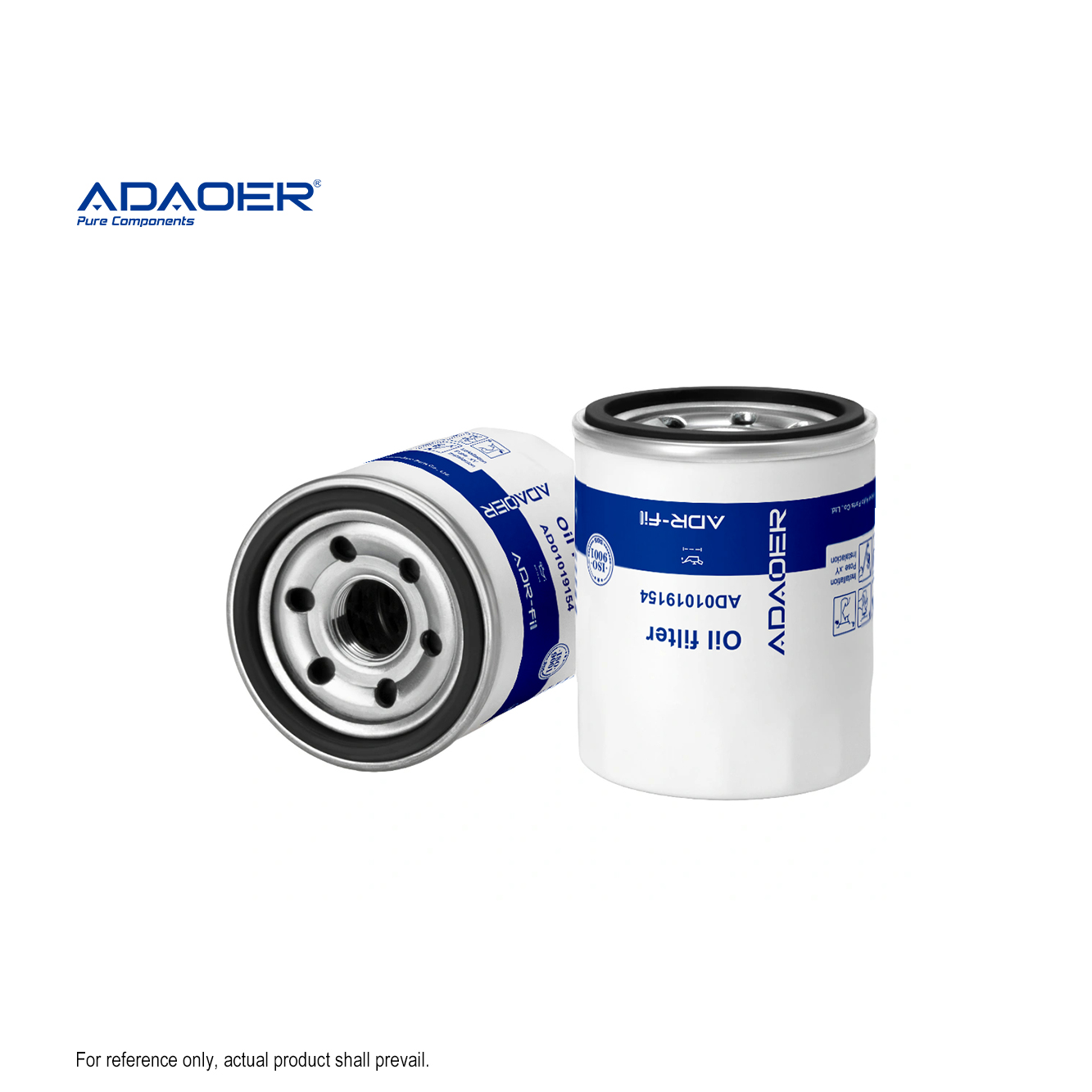
In the global heavy-duty truck market, the Mercedes-Benz Actros is practically synonymous with the premium long-haul tractor. From European trunk-haul fleets to operators across the Middle East, Africa, and Southeast Asia, the Actros is one of the most widely recognized names on the road. This article gives a brief overview of the Actros lineup and its evolution, then focuses on practical maintenance guidance for its fuel filter, oil filter, and air filter — three of the most important components for keeping the truck running reliably.
1. A Brief Overview of the Mercedes-Benz Actros
The Actros was introduced by Mercedes-Benz Trucks in 1996 as the successor to the SK series, positioned as the brand's flagship model for long-haul and heavy-duty distribution transport. Since launch, the Actros has gone through five generations and has been sold well over a million units worldwide, making it one of the most successful model series in the heavy-duty truck segment.
- First generation (1996): Introduced the MegaSpace cab, featuring a flat floor and an interior ceiling height of nearly 1.92 meters — offering a level of comfort that was uncommon for long-haul drivers at the time.
- Second generation (around 2002–2003): Brought new technology such as automated transmission options, improving ease of driving.
- Third generation (around 2007–2008): Delivered a comprehensive upgrade to the powertrain and safety equipment.
- Fourth generation, the "New Actros" (2011): Featured a major redesign inside and out, and built on the Active Brake Assist system — first introduced on the Actros back in 2006 as one of the earliest automatic emergency braking systems fitted to a production truck.
- Fifth generation (2018–present): Introduced the MirrorCam digital mirror system, a redesigned multifunction steering wheel, and upgraded driver-assistance features, alongside the fully electric eActros variant — marking the model's move toward greater digitalization and electrification.
Today's Actros models are most commonly powered by the Mercedes-Benz OM470, OM471, and OM473 inline six-cylinder diesel engines, used across a wide range of tractor and rigid truck configurations for long-haul, regional distribution, and heavy transport applications.
2. Why Filter Maintenance Matters So Much for the Actros
Actros engines rely on high-pressure common-rail fuel injection systems that demand extremely clean fuel, oil, and intake air. Injector nozzles and high-pressure pumps are manufactured to very tight tolerances, so even small amounts of contamination, water, or wear particles entering the system can degrade injection accuracy, accelerate component wear, and ultimately affect power output, fuel economy, and emissions compliance. Following the manufacturer's recommended maintenance intervals for the fuel filter, oil filter, and air filter is therefore fundamental to keeping an Actros running reliably and to controlling long-term maintenance costs.
3. Fuel Filter Maintenance
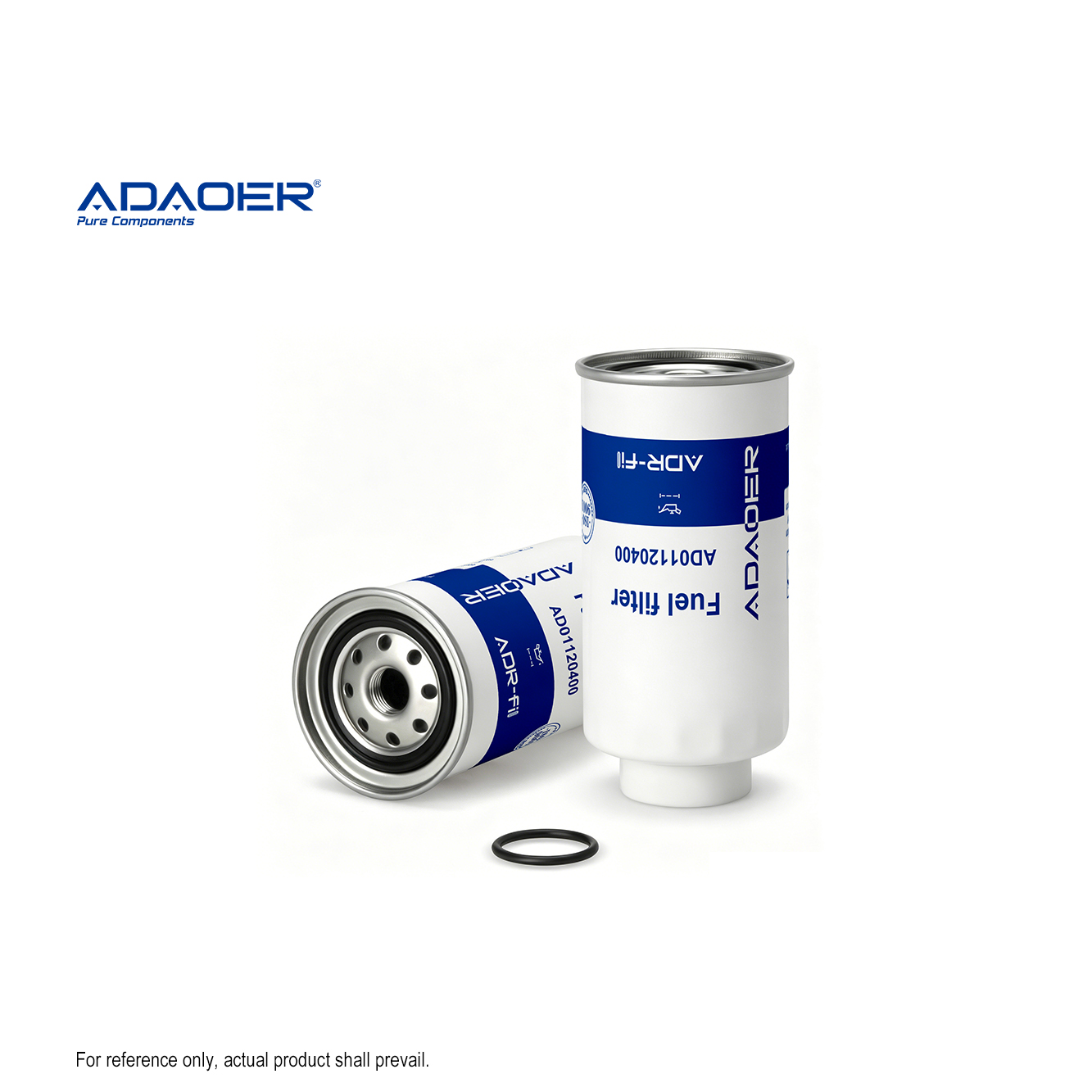
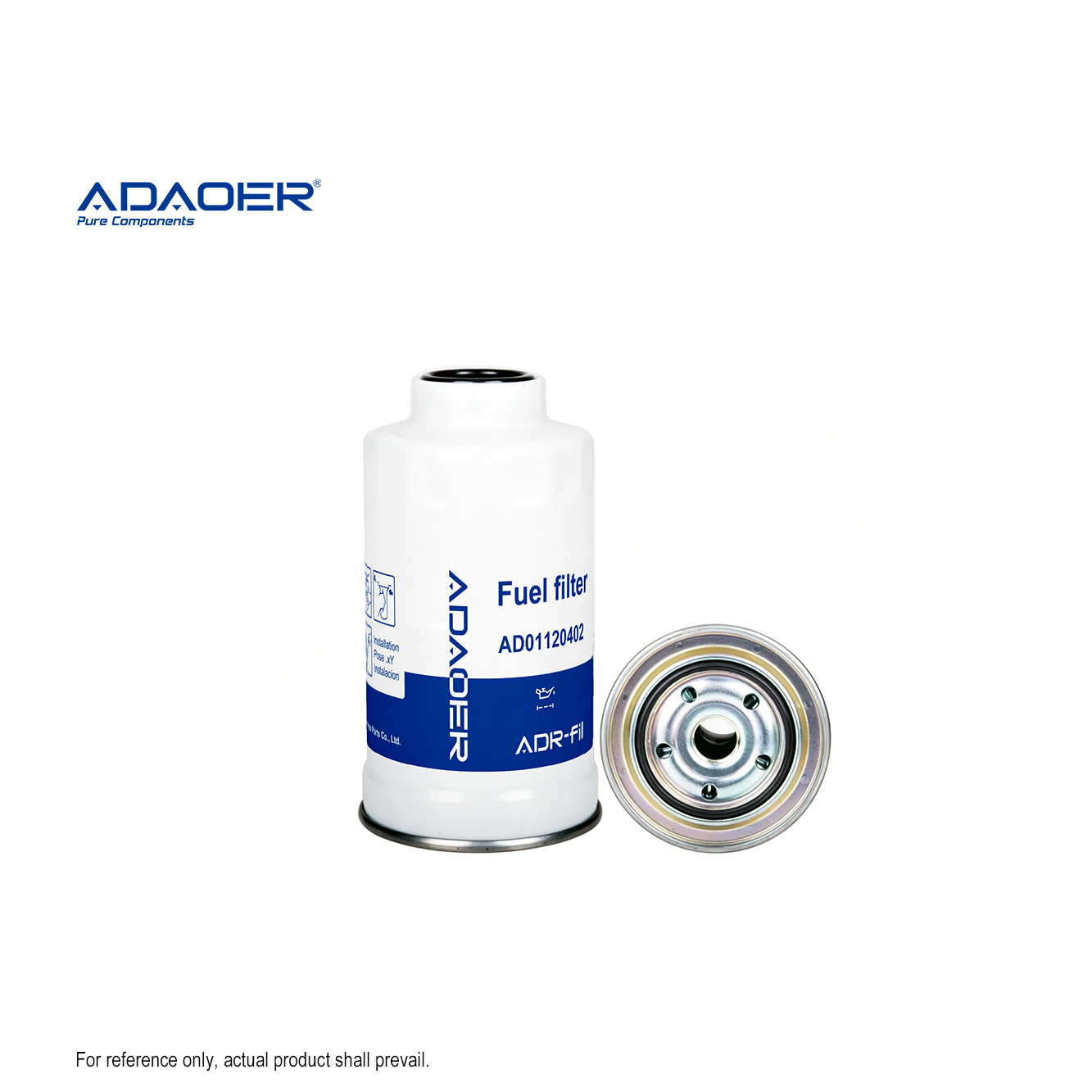
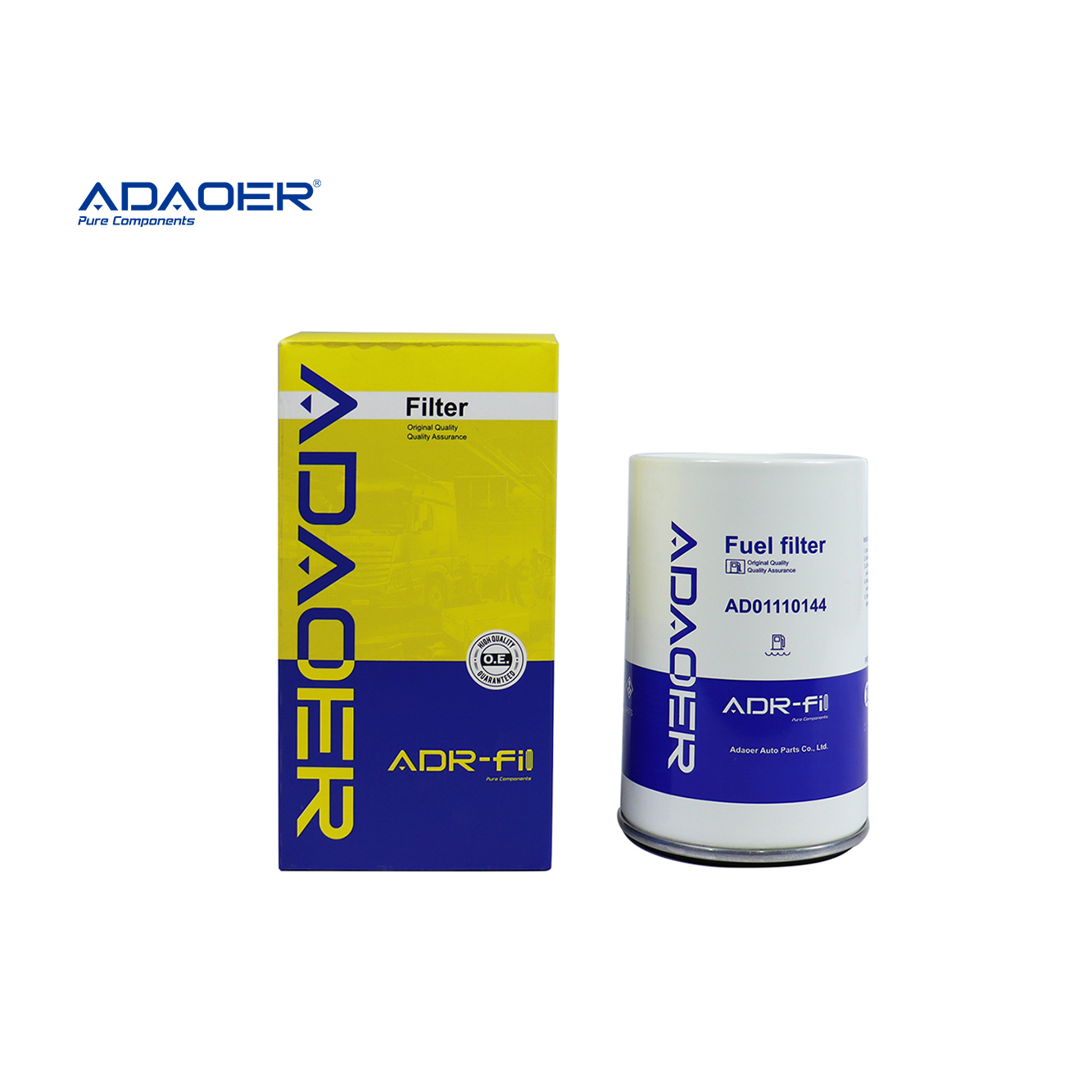
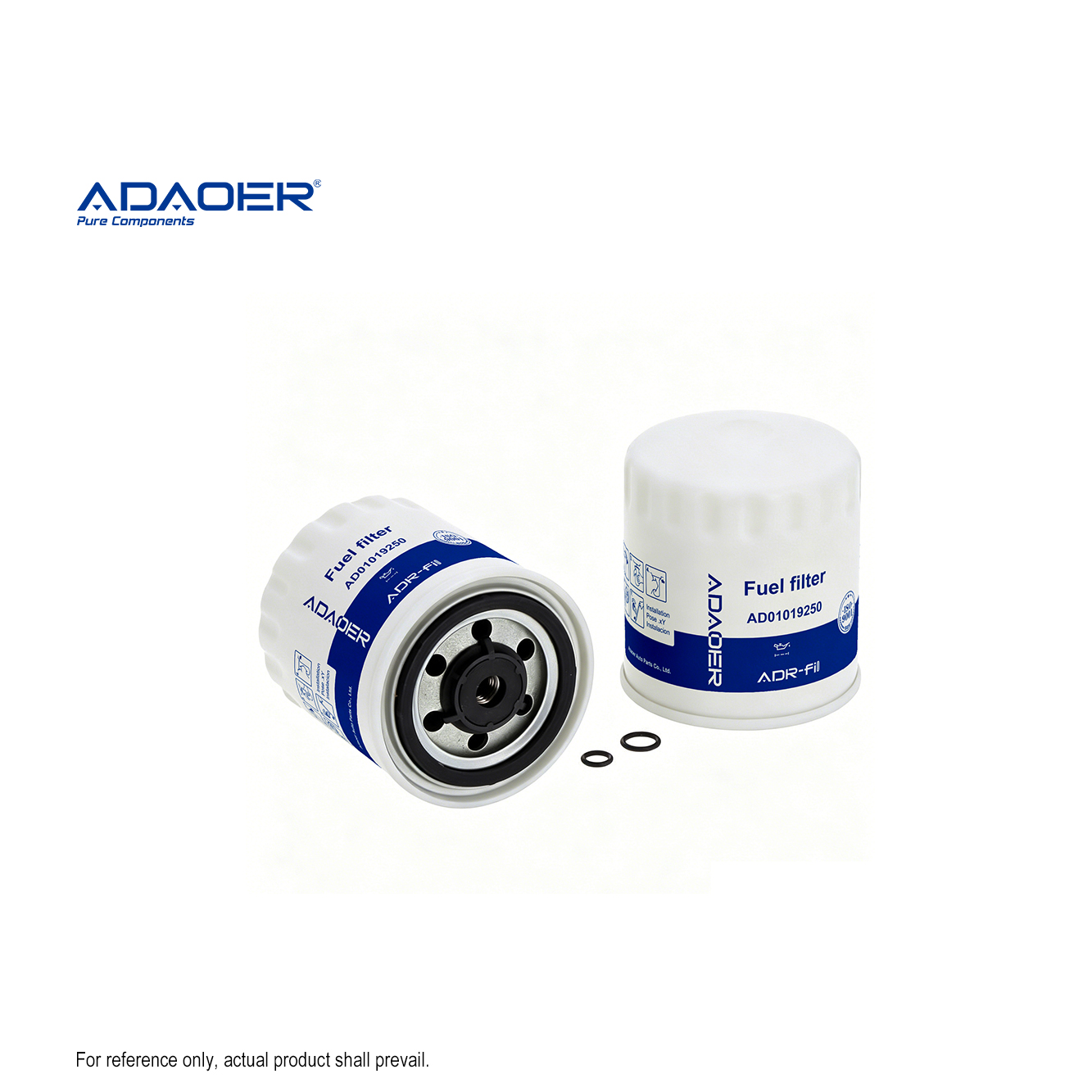
Actros fuel systems typically use a two-stage filtration setup — a primary fuel/water separator followed by a secondary fine filter:
- Daily checks: Inspect the fuel/water separator's sediment bowl before each trip for visible water or sediment buildup, and drain it promptly through the drain valve when needed.
- Scheduled replacement: The fuel filter is a consumable part, and the exact replacement interval should follow the vehicle's service manual (typically aligned with the regular maintenance schedule). In regions with poor fuel quality or dusty operating conditions, shorten the inspection and replacement interval accordingly.
- Bleeding the system after replacement: Replacing the fuel filter introduces air into the fuel lines. Follow the vehicle's specified bleeding procedure (some models include an electric fuel pump to assist with priming) to avoid hard starting or rough running afterward.
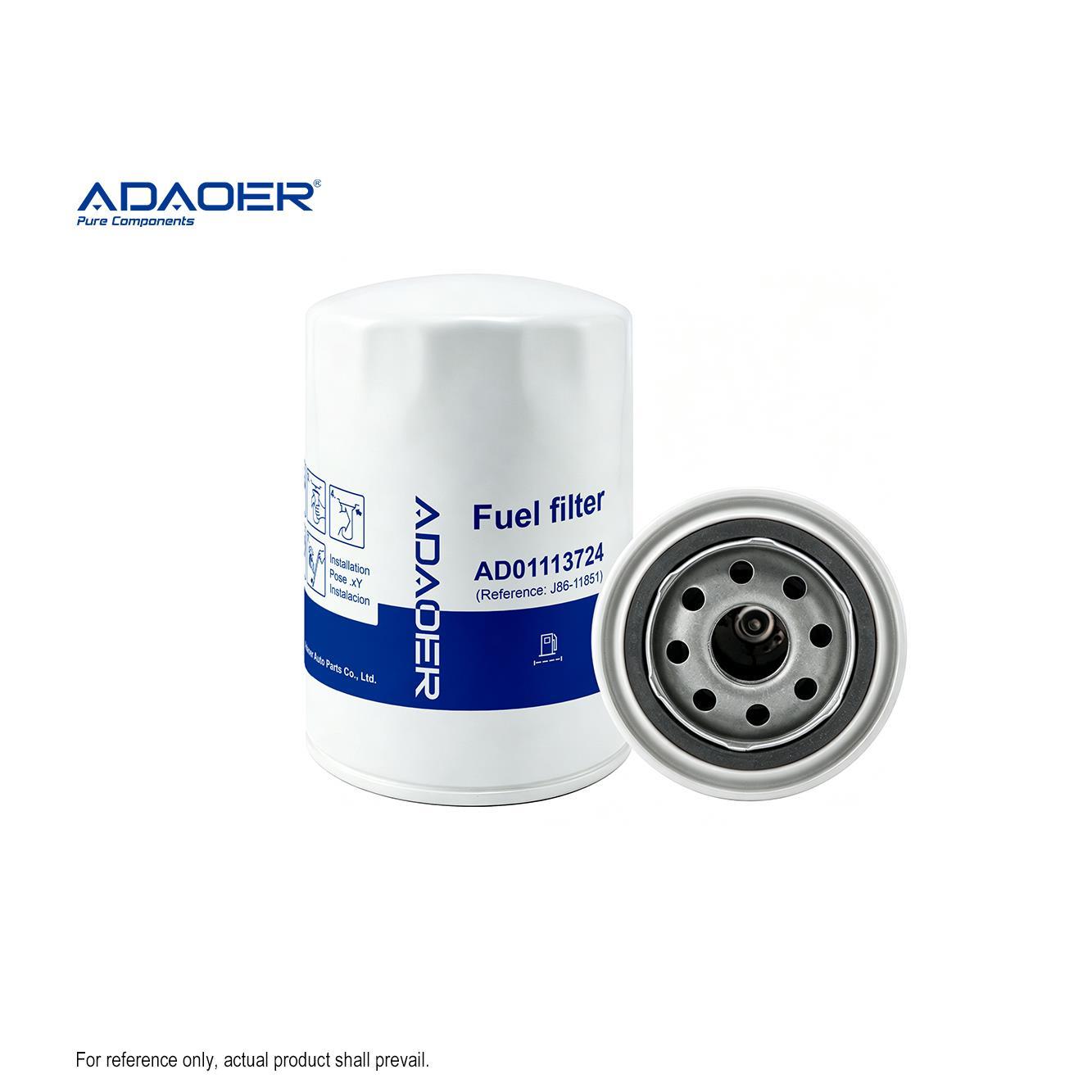
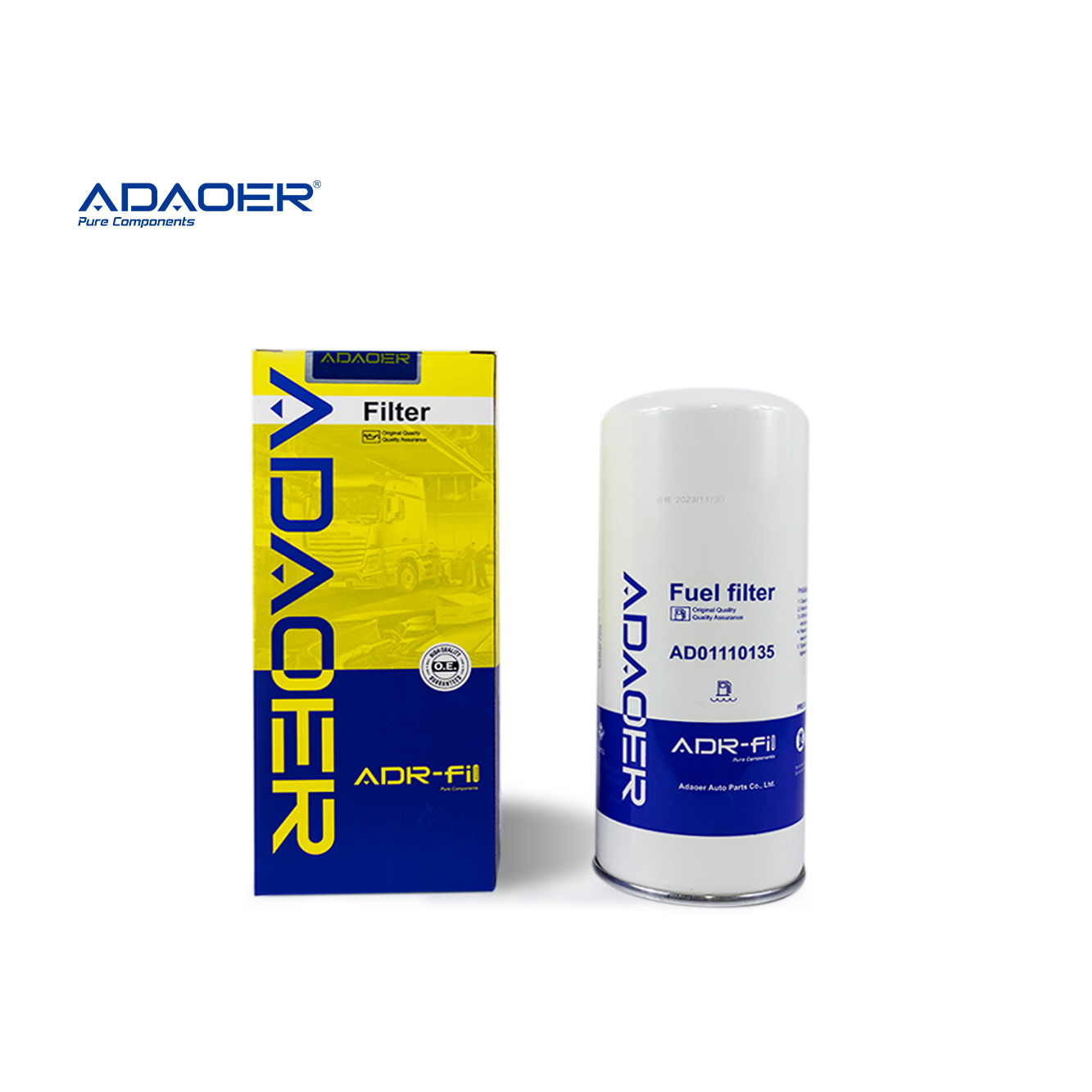
- Use compliant filter elements: Choose replacement filters whose media, sealing design, and filtration rating meet OEM specifications, to ensure the injection system gets the protection it needs.
4. Oil Filter Maintenance
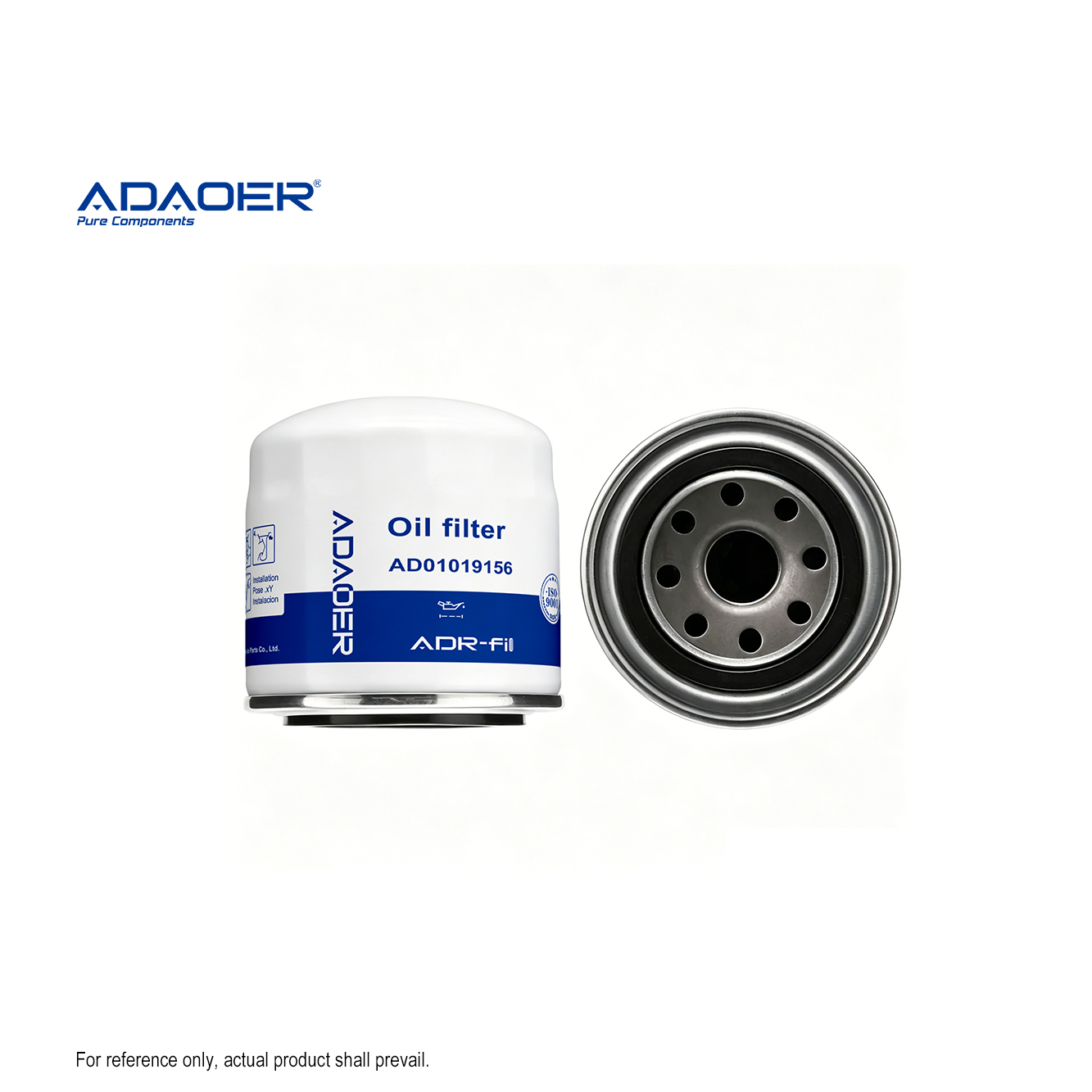
- Replacement interval: The oil filter is normally replaced together with the engine oil. The exact interval depends on the engine model, duty cycle (long-haul highway driving versus frequent stop-and-go or heavy loads), and the oil quality used — long-haul operation generally allows for longer intervals than urban distribution or construction-related transport.
- Watch oil pressure and oil condition: If the dashboard shows an abnormal oil pressure warning, or the oil's color or viscosity looks noticeably off, check whether the oil filter is clogged.
- Installation care: Make sure the old seal comes off completely during removal, lightly coat the new filter's seal with clean oil before installation, and tighten to the specified torque to avoid leaks caused by poor sealing.
5. Air Filter Maintenance
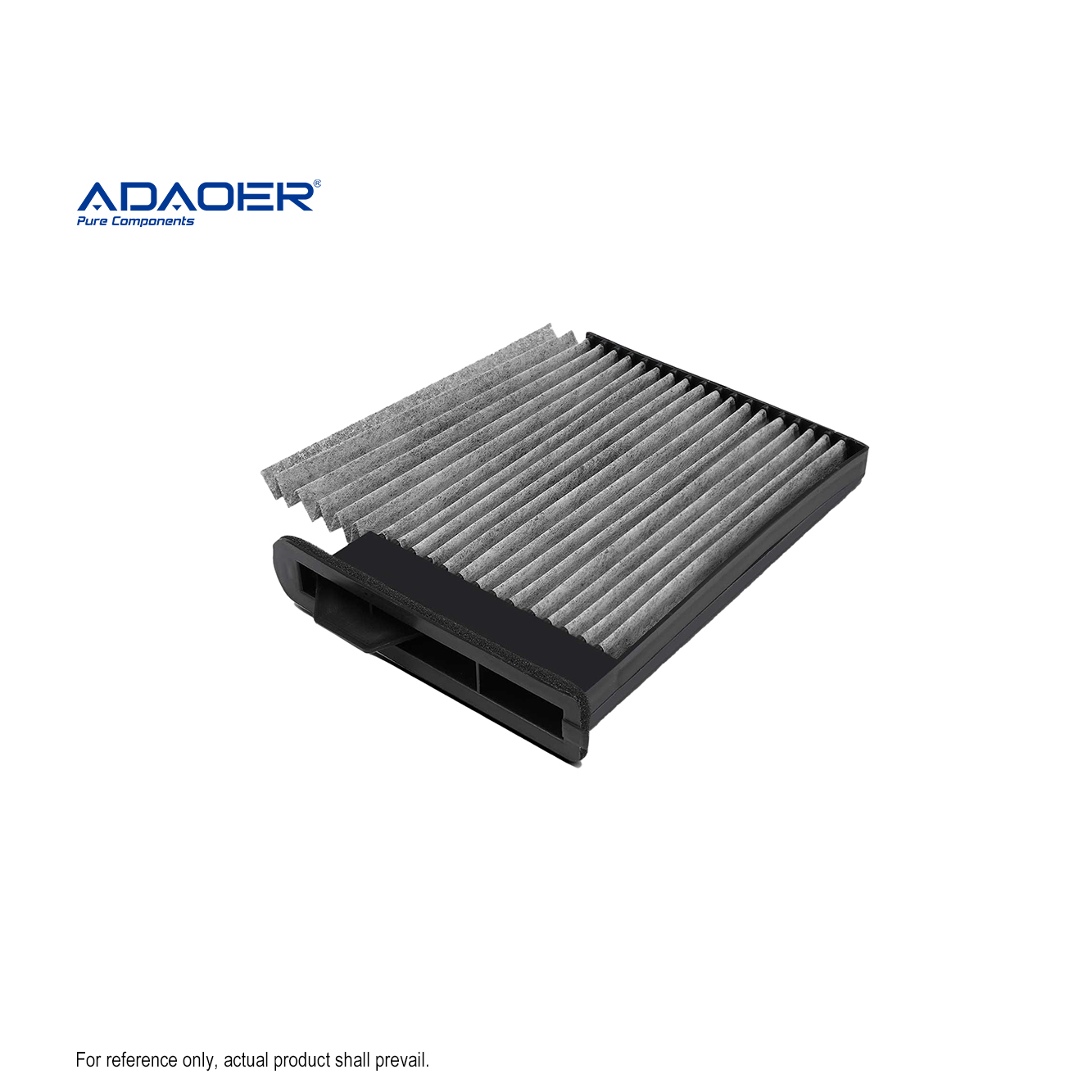
- Inspect more often than you replace: Air filters should be checked more frequently than they're replaced, especially in dusty job sites or on unpaved roads — shorten the inspection interval in these conditions and replace early if needed.
- Avoid over-cleaning the original filter element: Some fleets try to extend filter life by repeatedly blowing out the element with compressed air, but excessive or improper cleaning can damage the filter media and actually reduce filtration performance. Stick to the manufacturer's recommended maximum number of cleanings, and replace the element once that limit is reached.
- Maintain a proper seal in the intake system: Make sure the air filter housing seals properly during installation — an improper seal lets unfiltered air bypass the filter and enter the engine directly, accelerating internal wear.
6. Summary and Recommendations
As a flagship model built for long-haul heavy transport, the Actros places high demands on the cleanliness of its fuel, oil, and intake air systems, and every detail of routine maintenance has a direct bearing on the truck's reliability and operating cost. Fleet managers are encouraged to build inspection and replacement schedules around actual operating conditions, and to use quality, OEM-spec filters to keep the engine properly protected.
If you're sourcing fuel filters, oil filters, or air filters compatible with the Mercedes-Benz Actros lineup, you can browse the ADAOER Filter Mercedes-Benz truck filter product page, which lists filters compatible with multiple Mercedes-Benz truck series.
This article was prepared by ADAOER Filter, a manufacturer specializing in fuel filters, oil filters, air filters, and hydraulic filters compatible with major truck brands including Mercedes-Benz, Volvo, Scania, and MAN. Visit our website to learn more about our product range.