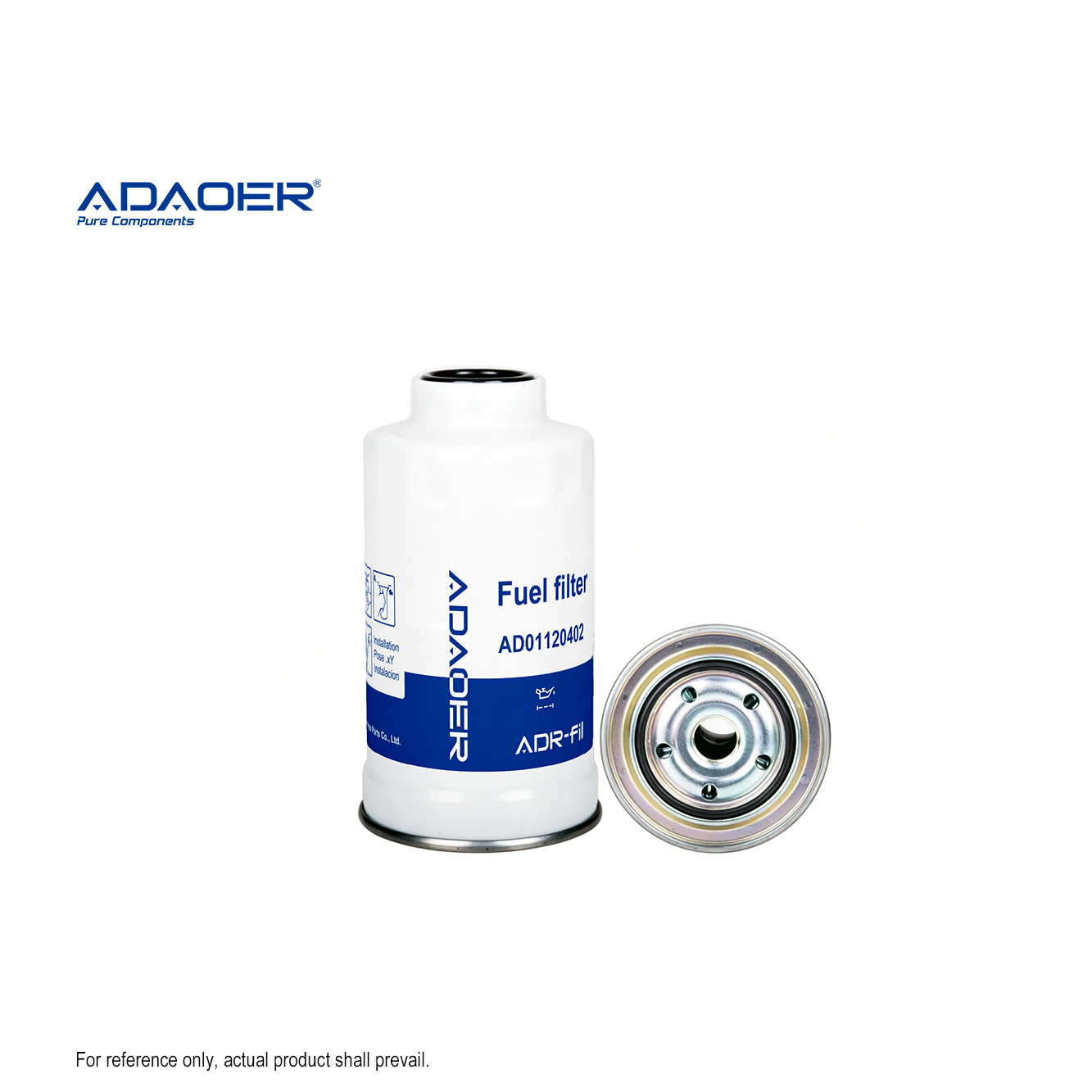
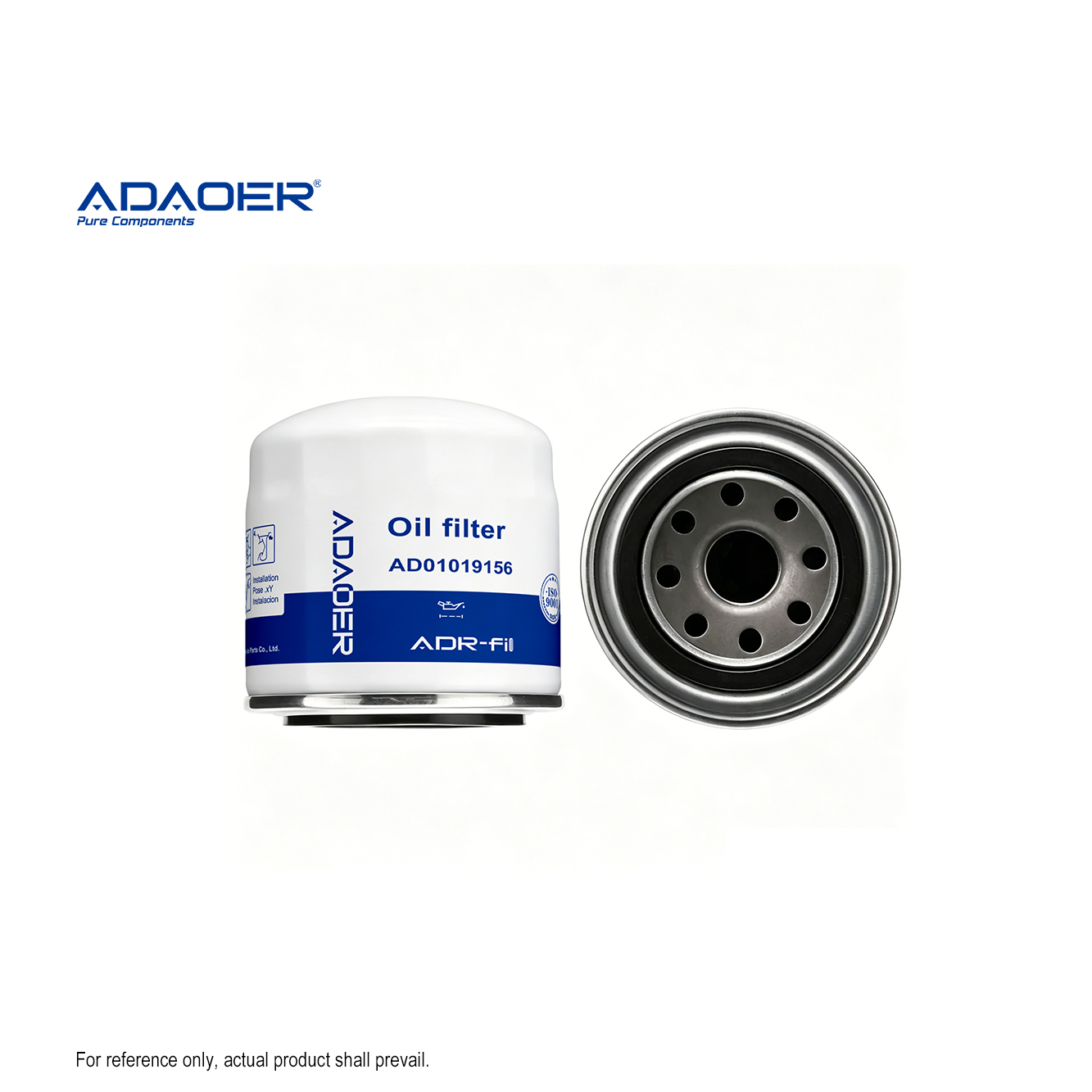
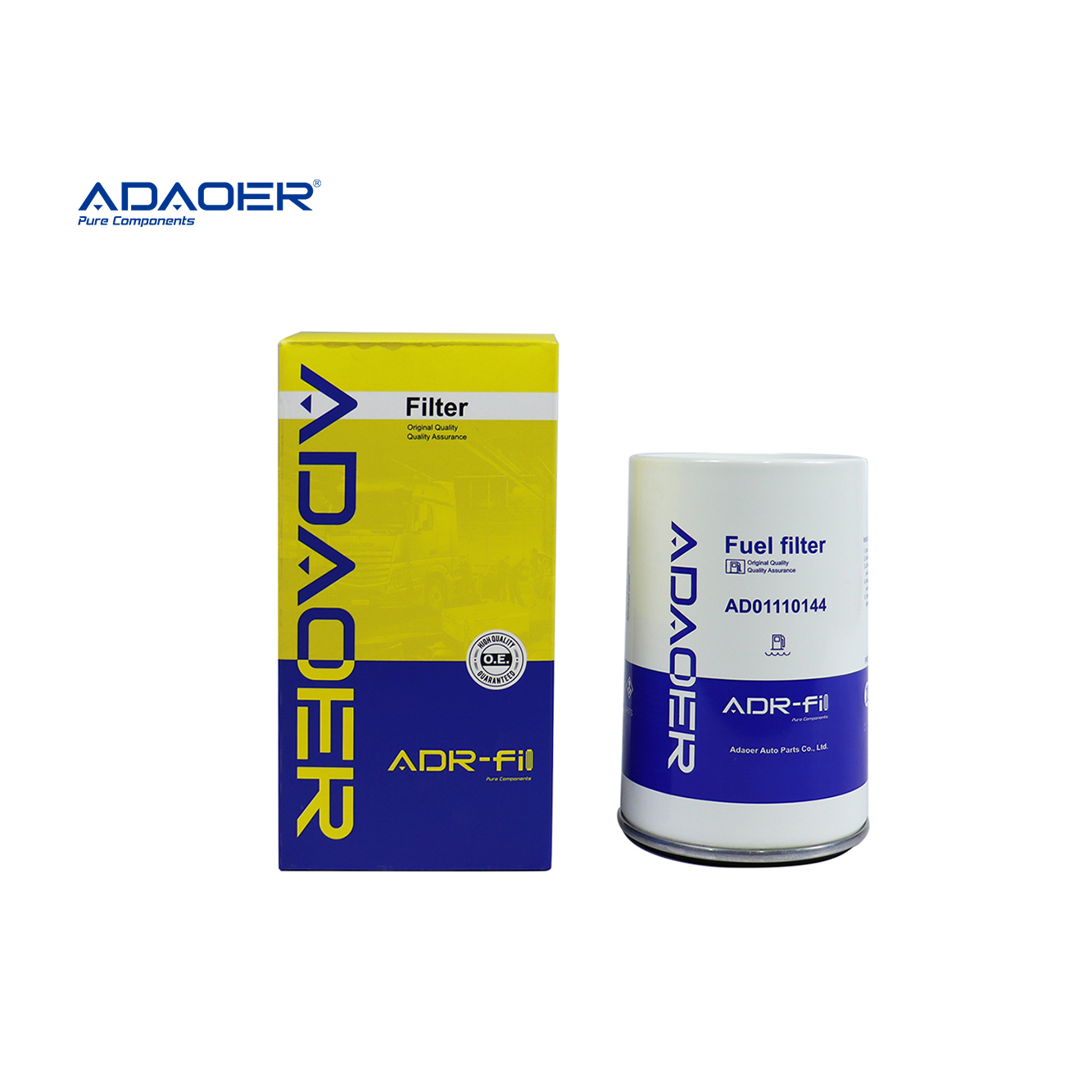
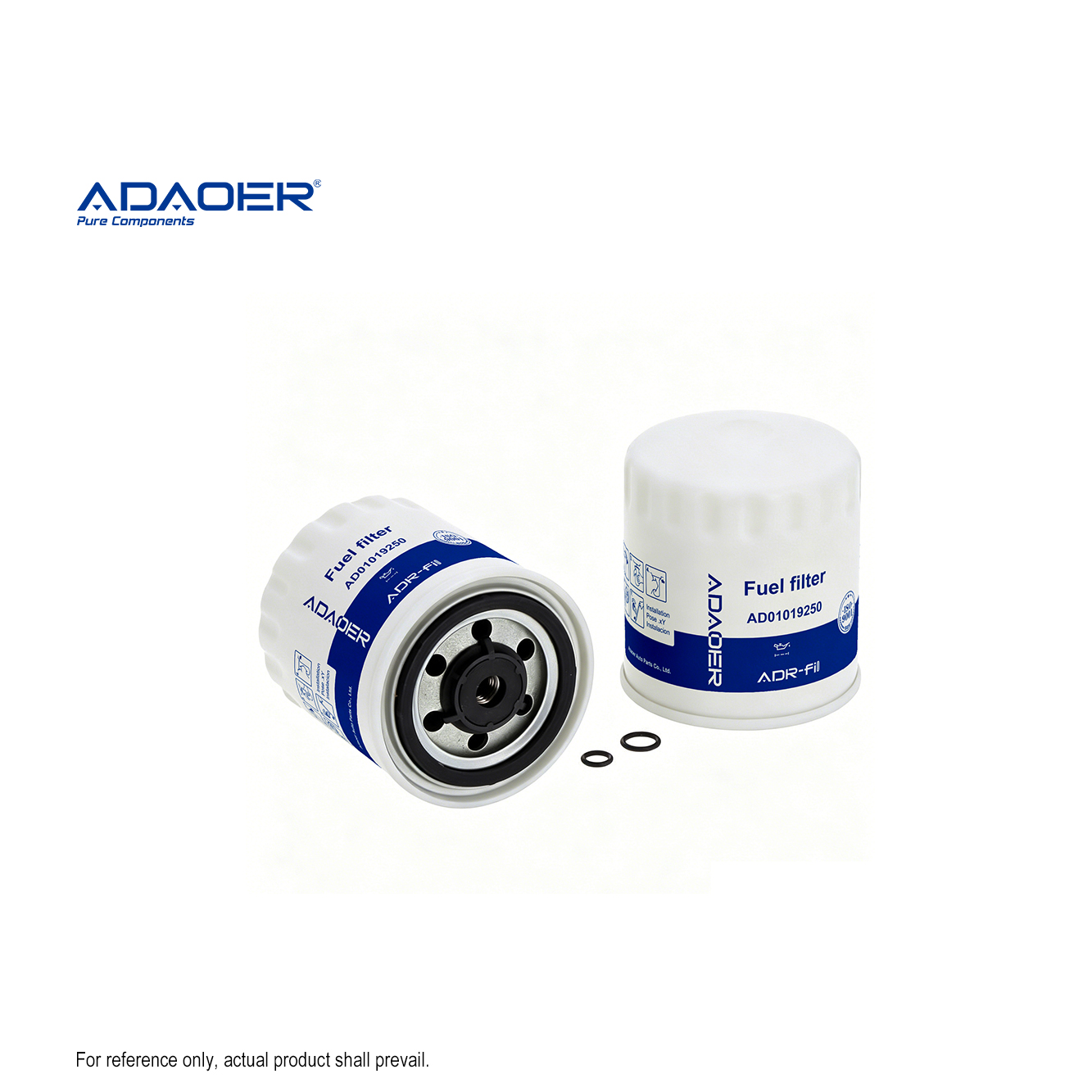
For any truck that spends its life on the road, the engine is its heart — and the fuel filter is the first line of defense protecting that heart from contaminated "blood." Fleet managers and drivers often pay close attention to maintenance items they can see and feel, like engine oil and brake pads, while the fuel filter quietly does its job out of sight and out of mind. In reality, a clogged or failing fuel filter can cause anything from a noticeable drop in power and rising fuel consumption to permanent, expensive damage to the high-pressure fuel pump and injectors. This guide covers how truck fuel filters work, why regular maintenance matters, how to recognize the warning signs of a failing filter, and how to build a sound replacement schedule.
1. How Fuel Filters Work
Modern diesel engines demand extremely clean fuel, particularly heavy-duty truck engines using high-pressure common-rail injection systems, where injector nozzle tolerances are measured in microns. Even tiny solid particles, water droplets, or gum-like deposits entering the fuel system can wear down injector nozzles, cause blockages, or seize the high-pressure fuel pump.
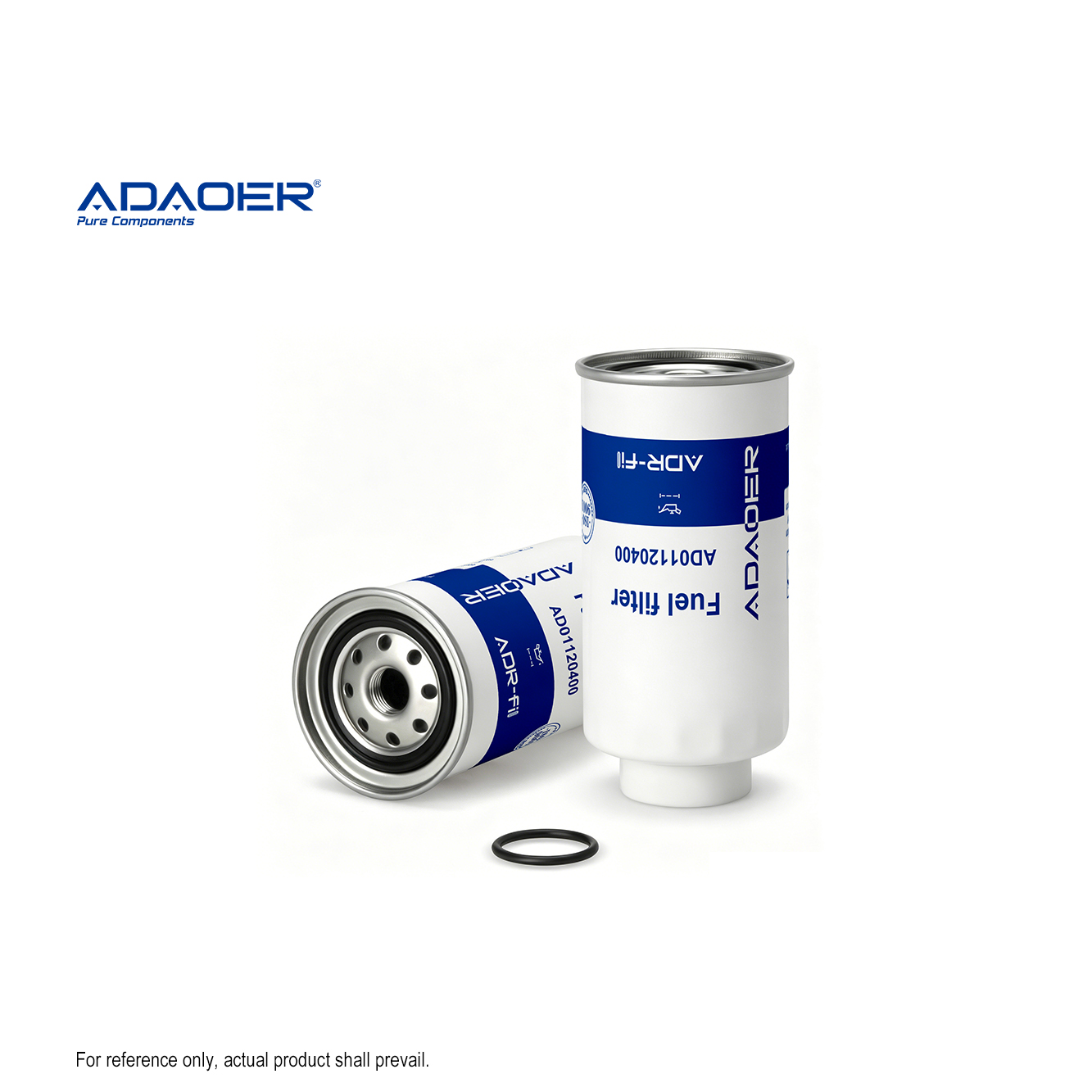
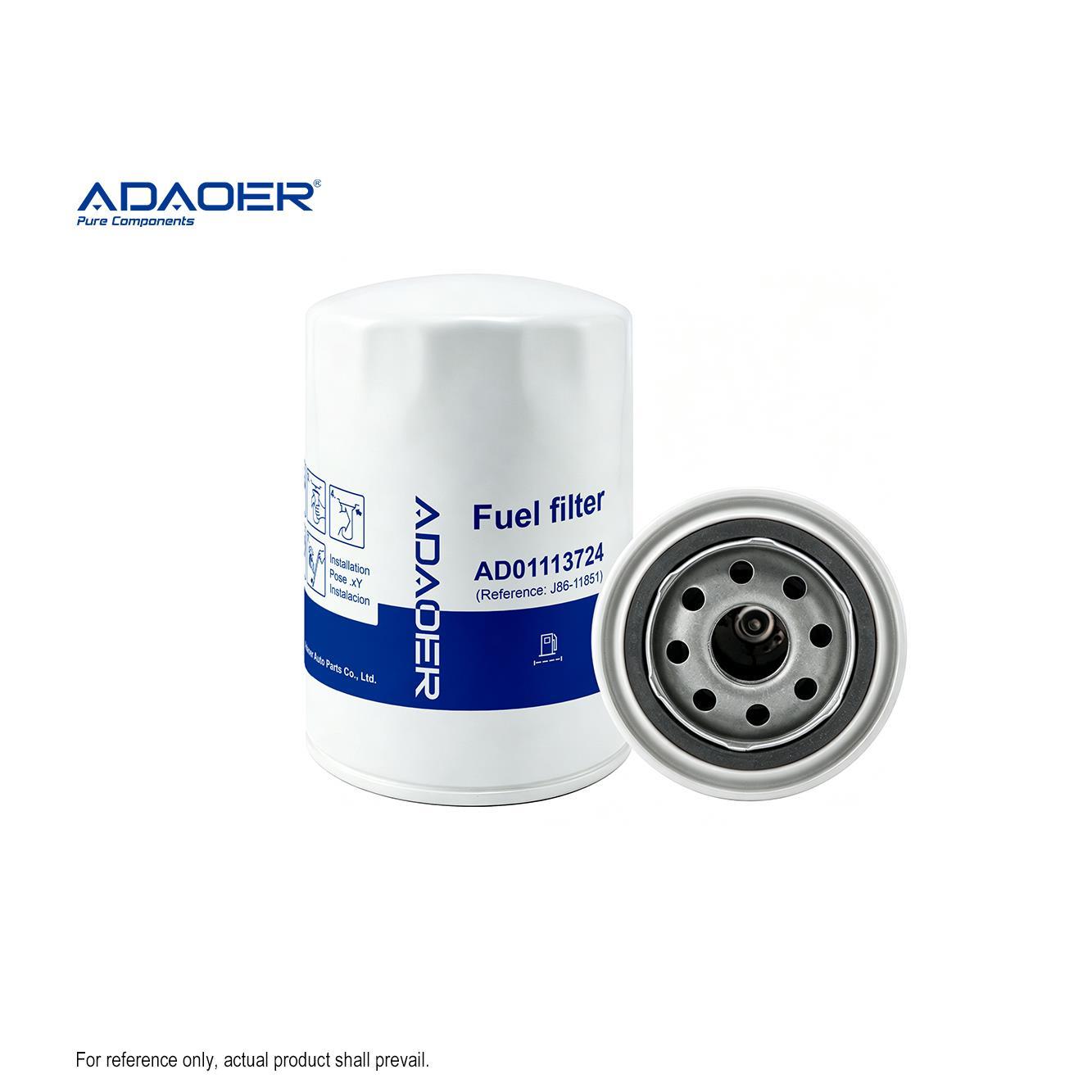
The fuel filter's core job is to remove solid particulates, water, and other contaminants from the fuel before it reaches the engine. Most modern heavy-duty truck fuel systems use a two-stage or multi-stage filtration setup:
- Primary filter (fuel/water separator): Installed between the fuel tank and the transfer pump, with a relatively coarse filtration rating (typically 10–30 microns). Its main job is to trap larger particles and separate water that has mixed into the fuel. Many primary filters include a sediment bowl and a drain valve so water and sediment can be drained off directly.
- Secondary filter (fine filter): Installed between the transfer pump and the high-pressure pump/injection system, with a much finer filtration rating (typically 2–10 microns or finer). It provides the last line of defense for the precision injection system by trapping the smallest remaining particles.
Working together, the two stages extend filter service life while keeping the fuel entering the injection system consistently clean.
2. What Happens If Maintenance Is Neglected
A fuel filter is a consumable part — the filter media inside gradually clogs with contaminants over time. Left unchecked or unreplaced for too long, this can lead to:
- Reduced power and sluggish acceleration. A clogged filter restricts fuel supply, which is most noticeable under load — for example, when climbing grades with a full trailer.
- Rough idle and hard starting. Unstable fuel pressure directly affects atomization and injection timing, leading to idle vibration, cold-start difficulty, or even stalling.
- Increased fuel consumption. Poor atomization means less complete combustion, which raises fuel consumption per mile — a real cost over the life of a fleet.
- Injection system damage. This is the costliest consequence. If the filter fails, or a substandard replacement filter is used, unfiltered contaminants and water can strike the high-pressure pump and injectors directly, wearing down precision components far more expensive to repair or replace than the filter itself.
- Dashboard warning lights. Most modern heavy-duty trucks are equipped with fuel pressure and water-in-fuel sensors, which will typically trigger a warning light or message when the filter is compromised.
3. Signs It's Time to Replace the Fuel Filter
Beyond following the manufacturer's recommended interval, drivers and technicians can watch for these early warning signs:
- Noticeably reduced power under acceleration, especially when loaded or climbing grades
- Rough or intermittent idle, or a "hesitating" feel at low RPM
- Hard cold starts, or needing multiple attempts to start the engine
- A fuel-system or water-in-fuel warning light on the dashboard
- Visible water or sediment in the fuel/water separator's sight bowl
- An unexplained increase in fuel consumption compared to normal driving patterns
If any of these signs appear, it's worth scheduling an inspection promptly — small fuel-system issues can escalate into major, costly failures if left unaddressed.
4. Recommended Replacement Intervals
There's no single interval that fits every truck. The right schedule depends on the engine manufacturer's service manual, the vehicle's duty cycle, and the fuel quality typically available in the region of operation. As general guidance:
- Normal duty (mostly highway operation, good fuel quality): Most heavy-duty truck manufacturers recommend replacement every 15,000–30,000 km (roughly 10,000–18,000 miles) or every 300–600 engine hours — always confirm against the specific vehicle's service manual.
- Severe duty (construction sites, mining, dusty environments, or inconsistent fuel quality): Consider shortening the interval, and increase inspection frequency of the primary filter's sediment bowl.
- Bundling with scheduled service: Many fleets replace the fuel filter alongside engine oil and oil filter changes as part of a combined service interval, which simplifies scheduling and record-keeping.
It's worth emphasizing that a mileage or time interval is only a starting point — actual condition (whether the filter is clogged, or fuel pressure is abnormal) is always a more reliable guide than mileage alone. Fleets with fuel pressure monitoring capability should use that data to fine-tune replacement timing.
5. Day-to-Day Maintenance Best Practices
Beyond replacing the filter element itself on schedule, a few daily habits go a long way toward extending fuel system life:
- Drain the fuel/water separator regularly. This is one of the simplest and most overlooked maintenance tasks. Water sitting at the bottom of the separator not only accelerates filter degradation but can also freeze in cold weather, blocking the fuel line entirely.
- Use fuel from reliable sources with consistent quality. Poor-quality or contaminated fuel is one of the leading external causes of premature filter clogging and injection system damage.
- Keep the fuel filler neck and cap clean, and avoid contamination during refueling. Pay extra attention when refueling at construction sites, rural stations, or other locations where dust and debris are common.
- Use filters that meet OEM specifications. Filter media, seal material, and housing dimensions all directly affect filtration performance and sealing reliability. Choosing replacement filters that match or exceed original specifications is the foundation of consistent filtration.
- Bleed the fuel system after replacement. Replacing the filter typically introduces air into the fuel lines, which must be bled out manually or automatically per the manufacturer's procedure — skipping this step can cause hard starting or rough running.
6. General Fuel Filter Replacement Procedure (Reference Only)
Exact steps vary by make and model — always follow the service manual for the specific vehicle. As a general reference, the process typically includes:
- Shut down the engine, confirm the engine and exhaust system have cooled to a safe temperature, and prepare for fuel spillage (e.g., a drain pan).
- Close the fuel shutoff valve if equipped, and relieve system fuel pressure if required.
- Remove the old filter, checking that the seal or O-ring comes off with it rather than staying stuck on the mounting base.
- Clean the filter mounting surface and inspect the sealing face for damage.
- Lightly coat the new filter's seal with clean fuel or the specified lubricant to ease installation and ensure a proper seal.
- Install the new filter to the manufacturer's specified torque — overtightening can damage the seal, while undertightening can cause leaks.
- Bleed air from the fuel system per the manufacturer's procedure (some vehicles have a manual priming pump or electric priming function).
- Start the engine and check for leaks, unusual noises, and idle stability; use a diagnostic scan tool to confirm no related fault codes if available.
Safety note: Fuel is flammable — keep open flames away from the work area and ensure adequate ventilation and fire safety precautions. Anyone without the appropriate training or tools should have this work performed by a qualified technician or service center.
7. Conclusion
The fuel filter may be a small, easy-to-overlook component, but it plays a critical role in protecting the engine and keeping a vehicle running reliably. For trucks, buses, and construction machinery operating under sustained heavy duty, establishing a disciplined fuel filter inspection and replacement routine reduces breakdown risk and unplanned downtime — and over the life of a fleet, it's one of the most cost-effective ways to control maintenance spend and extend engine service life. Fleet managers are encouraged to tailor inspection and replacement schedules to actual operating conditions, and to use quality, OEM-spec fuel filters to keep engines reliably protected.
This article was prepared by ADAOER Filter, a manufacturer specializing in fuel filters, oil filters, air filters, and hydraulic filters for trucks, buses, excavators, tractors, generator sets, and construction machinery. Visit our website to learn more about our product range.